 +86-573-86868360
 Inquiry
 English
 Español
 عربى
عربى

Content
1. Introduction to Pipe Jacking and its Steel Structure
1.1. What is Pipe Jacking?
Pipe jacking is a method used for installing pipelines and other types of underground conduits without the need for surface excavation. It involves the use of a specialized machine known as a "pipe jacking machine" to push sections of pipe through the ground, often under roads, rivers, or other structures. The process is typically used for trenchless installation of pipes, minimizing surface disruption and reducing construction time.
The key principle behind pipe jacking is that the machine drives pipes into the ground using hydraulic forces. The pipe sections are pushed forward as the cutting head of the machine advances through the soil, allowing new sections to be added as needed. This technique is commonly applied in the construction of sewage systems, stormwater drainage systems, and utility lines.
1.2. The Importance of Steel Structure in Pipe Jacking Machines
The steel structure of a pipe jacking machine is critical to its performance and longevity. Steel is chosen for its high strength, durability, and resistance to wear and corrosion, all of which are essential in the demanding conditions encountered during underground tunneling.
Key steel components of the pipe jacking machine include the cutting head, jacking frame, thrust bed, and other structural parts that must withstand heavy loads, extreme pressures, and harsh environmental conditions. The steel structure ensures the machine operates efficiently and safely while maintaining structural integrity over long periods of use. Additionally, the choice of steel materials can significantly impact the machine’s performance, maintenance needs, and overall lifespan.
2. Key Steel Structure Components
2.1. Cutting Head: Design and Steel Composition
The cutting head is one of the most critical components of a pipe jacking machine. It is responsible for cutting through the soil and rock as the machine advances, ensuring that the tunnel remains clear for the installation of pipes. The design of the cutting head is complex, as it must handle various geological conditions such as soft soil, hard rock, or mixed terrain.
The steel used in the construction of the cutting head must be tough and wear-resistant to withstand the high impact and abrasive forces encountered during the tunneling process. Alloy steels, such as high-carbon steel or chromium-molybdenum steel, are commonly used because of their ability to maintain hardness even at elevated temperatures. Additionally, the cutting head often incorporates hardened steel inserts or tungsten carbide tips to enhance its cutting efficiency and longevity.
2.2. Jacking Frame: Stability and Load-Bearing Capacity
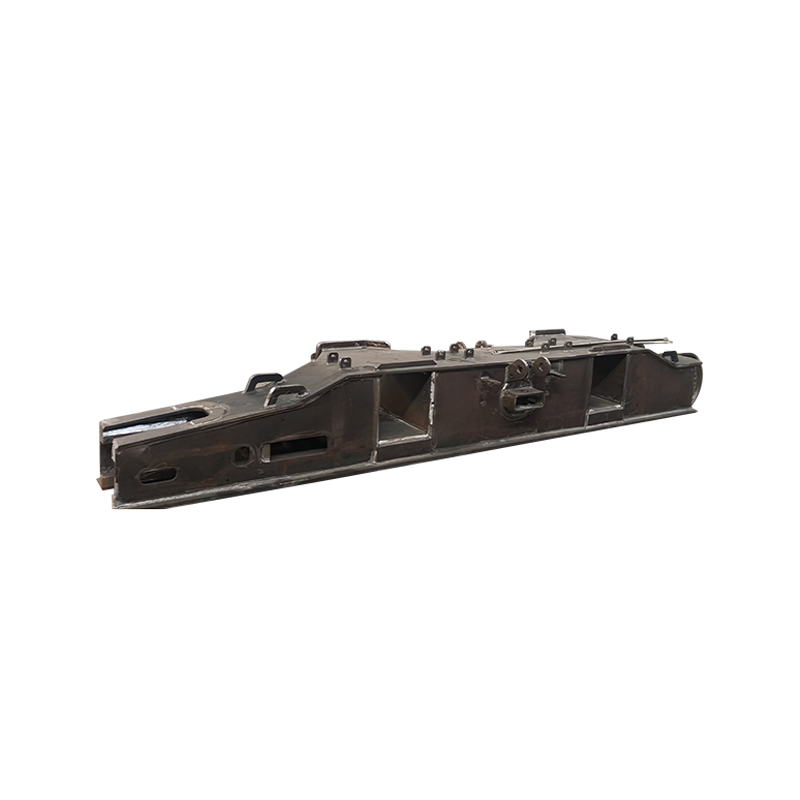
The jacking frame is the structure that supports the pipe jacking machine’s hydraulic system and provides the necessary stability for the machine to push the pipes forward. It also absorbs the thrust and load generated by the hydraulic jacks during operation. As such, the jacking frame must be designed to bear significant loads without flexing or deforming.
Steel used in the jacking frame must have excellent tensile strength and resistance to fatigue. High-strength steels are often preferred because they allow the frame to withstand the immense forces generated during the jacking process. Additionally, the frame’s design should account for the overall balance and alignment of the machine to prevent misalignment or mechanical failure during operation.
2.3. Intermediate Rings: Function and Material
Intermediate rings, sometimes called spacer rings, are used to maintain the alignment of the machine’s cutting head and to stabilize the thrust force during pipe installation. These rings are positioned between the jacking frame and the thrust bed, allowing the machine to move forward incrementally.
The material used for intermediate rings must offer a balance between strength and resistance to wear. Steel alloys such as stainless steel or carbon steel are often used, depending on the environmental conditions. These materials must also be resistant to the corrosive effects of the underground environment, ensuring that the rings maintain their shape and structural integrity throughout the project.
2.4. Thrust Bed: Anchoring the Machine
The thrust bed is the base structure that anchors the entire pipe jacking machine. It provides the point from which the hydraulic jacks exert pressure to push the pipes forward. The thrust bed must be strong enough to resist the forces exerted by the jacks while keeping the machine in position during operation.
Steel used for the thrust bed must have high compressive strength and be able to endure cyclic loading. It is also important that the thrust bed be designed for ease of maintenance and replacement, as it is subject to significant wear over time. Depending on the machine’s size and the type of soil being tunneled through, specialized high-strength or wear-resistant steels may be used to prolong the lifespan of the thrust bed.
2.5. Steering Mechanism: Precision and Control
The steering mechanism in a pipe jacking machine ensures that the machine stays on the correct path during the tunneling process. It is responsible for controlling the machine’s direction and ensuring that the installed pipeline follows the intended alignment.
The components of the steering mechanism must be highly precise and able to withstand the mechanical stresses of tunneling. The use of high-strength steel, often in combination with advanced alloys or coatings, is common to maintain control accuracy. Additionally, the steering system must be easily adjustable to accommodate changes in the soil or alignment, ensuring the tunnel remains straight and properly positioned for the pipes.
3. Steel Material Selection for Pipe Jacking Components
3.1. High-Strength Steel: Benefits and Applications
High-strength steel is a fundamental material in the construction of pipe jacking machines due to its ability to withstand the immense forces and stresses encountered during tunneling. The primary benefit of high-strength steel is its excellent tensile strength, which allows components to resist deformation and failure under heavy loads. This is particularly important in critical parts like the jacking frame and thrust bed, where stability and load-bearing capacity are essential.
In addition to its strength, high-strength steel is relatively lightweight compared to other materials with similar performance characteristics, making it easier to handle and fabricate. Alloy steels such as quenched and tempered steels, or steels with a high carbon content, are commonly used in the manufacture of key components in pipe jacking machines. These steels are especially beneficial in applications where high fatigue resistance is required, such as the cutting head and jacking frames.
3.2. Wear-Resistant Steel: Prolonging Component Life
Wear-resistant steel is crucial for components exposed to high levels of friction, abrasion, and mechanical wear, such as the cutting head, intermediate rings, and thrust bed. This steel is engineered to resist surface degradation, which helps extend the lifespan of the components. Wear-resistant steels typically have a high hardness, making them ideal for conditions where they come into constant contact with abrasive materials like soil, rock, and debris.
The materials are often heat-treated or alloyed with elements such as chromium, molybdenum, and nickel to enhance their resistance to abrasion and wear. The use of wear-resistant steel in pipe jacking machines ensures that these components can endure prolonged usage without degrading, ultimately reducing the frequency of maintenance and the need for costly repairs or replacements.
3.3. Corrosion-Resistant Coatings: Protecting Steel Structures
Corrosion is one of the main challenges faced by steel components used in pipe jacking machines, especially given the underground environment where moisture, chemicals, and other corrosive elements are common. To protect the steel components, many manufacturers apply corrosion-resistant coatings to critical parts, including the jacking frame, thrust bed, and intermediate rings.
Common coatings include zinc galvanization, epoxy coatings, and specialized anti-corrosion treatments such as chrome plating or powder coating. These coatings form a protective barrier that prevents water and corrosive agents from penetrating the steel’s surface, thereby prolonging the life of the component and maintaining its mechanical properties over time. In addition, some coatings are designed to be wear-resistant as well, providing double protection against both corrosion and abrasion.

4. Design Considerations for Steel Structures
4.1. Load Analysis and Structural Integrity
When designing steel structures for pipe jacking machines, understanding and analyzing the loads that the components will experience is essential. The structural integrity of the machine relies on the ability to distribute and manage these loads efficiently. These include the axial loads from the hydraulic jacks, the lateral forces from soil pressure, and the impacts and vibrations generated by the cutting head.
Engineers use advanced modeling techniques and calculations to assess the strength and stability of various steel components, such as the jacking frame, thrust bed, and cutting head. The material selection, thickness, and shape of the components must be optimized to ensure they can handle both static and dynamic loads. For example, the jacking frame must be designed to bear the heavy thrust generated by the jacks, while the cutting head must withstand the forces involved in breaking through the ground. Structural integrity is ensured through the careful consideration of material properties, geometry, and load distribution.
4.2. Welding Techniques and Quality Control
Welding is a critical process in the fabrication of pipe jacking machine components, as it ensures the integrity and strength of the steel structures. The welding process must be performed with precision, as improper welding can lead to structural weaknesses or failure under load. Various welding techniques are employed, such as TIG (Tungsten Inert Gas) and MIG (Metal Inert Gas) welding, depending on the steel material and the complexity of the component.
Quality control during the welding process is essential to avoid defects like cracks, porosity, or weak joints, which can compromise the machine’s performance. Non-destructive testing methods, such as ultrasonic testing or X-ray inspection, are used to verify the quality of welds and ensure that all components meet the necessary standards for strength, durability, and safety. Additionally, welding procedures must be carefully controlled to maintain the desired properties of the steel, especially in high-strength or heat-treated alloys.
4.3. Finite Element Analysis (FEA) in Design
Finite Element Analysis (FEA) is a crucial tool in the design and optimization of steel structures for pipe jacking machines. FEA allows engineers to simulate and analyze the behavior of components under various loading conditions, predicting how they will respond to stresses, deformations, and vibrations. This analysis provides valuable insight into potential weak points, allowing for modifications before manufacturing begins.
FEA is particularly useful in optimizing the design of complex components like the cutting head, jacking frame, and thrust bed. By simulating different soil conditions, load distributions, and operational scenarios, engineers can refine the geometry and material choices to achieve the best performance. This process helps to reduce material waste, improve efficiency, and enhance the overall safety and longevity of the machine.
5. Manufacturing and Fabrication Processes
5.1. Cutting and Shaping Steel Components
The manufacturing process of steel components for pipe jacking machines involves several steps, starting with the cutting and shaping of raw steel materials. The steel plates or bars are typically cut into smaller sections using techniques like laser cutting, plasma cutting, or waterjet cutting. These methods allow for precise and clean cuts, which are essential for ensuring the accuracy of the machine's components.
After cutting, the steel may undergo various shaping processes, such as bending, forging, or machining, to create the desired forms. For instance, the cutting head, jacking frame, and thrust bed often require specific contours or profiles to ensure proper alignment, fit, and functionality. CNC (Computer Numerical Control) machining is frequently used for precise shaping, ensuring that each component meets the required specifications and tolerances.
5.2. Welding and Assembly Procedures
Once the individual components are cut and shaped, they are welded together to form the structural framework of the pipe jacking machine. The welding process plays a critical role in joining steel parts to create strong, durable connections. As mentioned earlier, different welding techniques, such as MIG, TIG, or submerged arc welding, are chosen based on the material and the type of joint being made.
The assembly process typically involves fitting the welded steel components together to create the final structure. This requires high levels of precision to ensure that all parts are properly aligned, both in terms of geometry and function. The assembly may involve multiple steps, such as installing the cutting head onto the jacking frame, securing the thrust bed, and adding the necessary components like the hydraulic systems and control mechanisms. Proper assembly ensures that the machine will function smoothly and efficiently once in operation.
5.3. Quality Assurance and Testing
To ensure that all components meet the required performance and safety standards, comprehensive quality assurance and testing procedures are implemented throughout the manufacturing and fabrication process. This includes inspections at every stage of production, from raw material selection to final assembly.
Non-destructive testing (NDT) techniques, such as ultrasonic testing, magnetic particle inspection, and X-ray inspection, are commonly employed to detect any internal defects or weaknesses in the welded joints and structural components. Additionally, mechanical testing such as tensile strength testing, hardness testing, and fatigue testing may be conducted to verify that the materials and welds can withstand the operational stresses they will encounter.
Once the pipe jacking machine is fully assembled, it undergoes rigorous testing to ensure it operates according to design specifications. This often includes system functionality checks, load tests, and simulated operational tests in both controlled and real-world conditions. The machine must demonstrate its ability to perform under various ground conditions and meet all safety and operational requirements before being delivered to the construction site.
6. Maintenance and Inspection of Steel Structures
6.1. Regular Inspection Procedures
Regular inspection is essential to ensure the longevity and operational efficiency of steel components in pipe jacking machines. Due to the harsh operating environment—where components are exposed to high pressure, friction, and potentially corrosive soil—inspection routines are necessary to identify wear and tear early and prevent catastrophic failures.
Routine inspections should focus on critical areas such as the cutting head, jacking frame, thrust bed, and steering mechanism. Key inspection activities include checking for cracks, deformation, corrosion, and general wear. Inspecting welded joints is also crucial, as these are often the most vulnerable points in the structure. For underground machines, where access is limited, non-destructive testing methods like ultrasonic testing, visual inspections, and endoscopic inspections are commonly used to detect potential issues in hard-to-reach areas.
6.2. Repair and Replacement Strategies
Over time, components of a pipe jacking machine will naturally wear out due to the mechanical stresses and harsh conditions they endure. When significant wear or damage is detected, timely repairs or replacements are necessary to maintain the machine’s performance and safety. Repair strategies often include welding, resurfacing, or replacing worn-out parts like cutting heads, intermediate rings, or thrust beds.
In cases where a component is severely damaged or beyond repair, replacement becomes necessary. For example, cutting heads and wear-resistant parts are typically replaced after they reach a certain level of wear. Spare parts are usually pre-fabricated to match the machine’s design, ensuring quick turnaround times and minimal downtime. The replacement process requires skilled labor and careful assembly to ensure the new components integrate seamlessly with the rest of the machine.
6.3. Preventing Corrosion and Wear
Corrosion and wear are two of the most significant challenges facing steel structures in pipe jacking machines. Exposure to moisture, chemicals, and abrasive soils can lead to the degradation of steel components, shortening their lifespan and increasing maintenance costs. Preventative measures are therefore crucial to protect the steel structures and reduce the frequency of repairs and replacements.
To prevent corrosion, regular cleaning and coating of exposed steel parts are essential. Common techniques include the application of anti-corrosion coatings such as epoxy or zinc galvanization, which form protective barriers against moisture and chemicals. Additionally, the use of wear-resistant materials and coatings, such as hardened steel or carbide inserts, can help reduce the rate of abrasion on parts like the cutting head, thrust bed, and intermediate rings.
An effective maintenance program will also involve regular lubrication of moving parts, particularly those within the steering mechanism and hydraulic system, to reduce wear caused by friction. By adopting a proactive approach to corrosion control and wear prevention, the overall lifespan of the machine can be significantly extended, and downtime can be minimized.