
 English
 Español
 عربى
عربى


Founded in 2017, with a total investment of 120 million yuan and a total area of 20,000 square meters, the company is an influential medium-sized high-tech enterprise in the field of non-standard steel structure equipment processing. OEM Marine Industry Steel Structure Component Manufacturers and Marine Industry Steel Structure Component Factory in China. It integrates design, manufacturing, sales and service to provide high-quality steel structure solutions for many industries around the world. With excellent manufacturing technology, advanced production equipment and rich project experience, the company has established a good reputation in the domestic and foreign markets.
The company is located in the Economic Development Zone of Haiyan County, Jiaxing City, Zhejiang Province, in the core position of the Yangtze River Delta Economic Zone, which can easily integrate into the industrial system of the Yangtze River Delta with Shanghai as the leader, enjoy the dividends of regional coordinated development, and have significant advantages in obtaining cutting-edge technology, high-end talents and broad market.

 +86-573-86868360
 Inquiry
Marine Industry Steel Structure Component Factory
Marine Industry Steel Structure Component
-
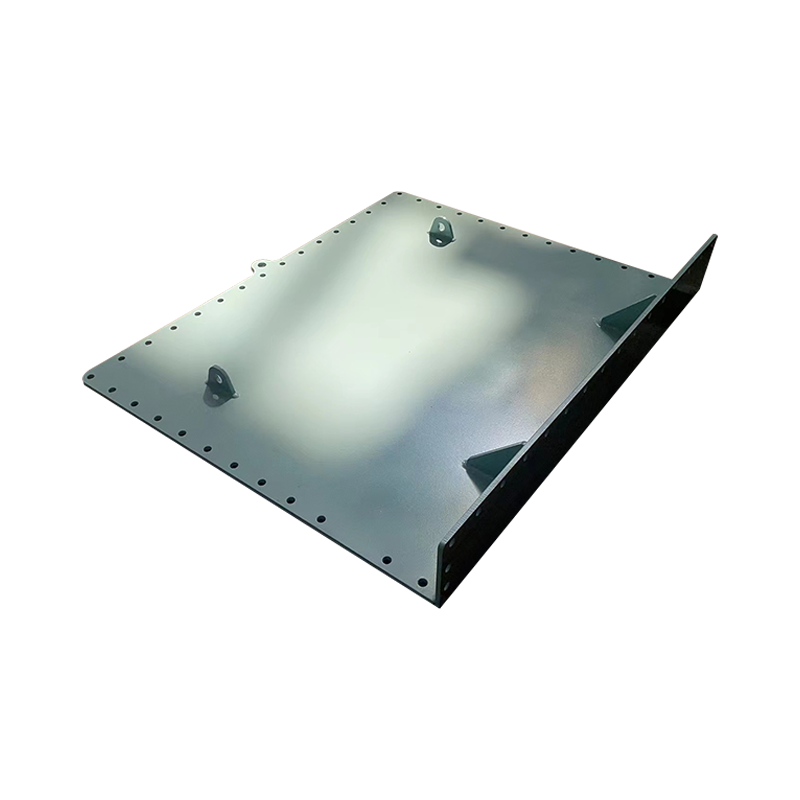 Carbon Steel Structural Parts For Diesel Engine HousingIn the field of ships, carbon steel structural parts of diesel engine covers are important accessories to ensure the stable operation of diesel engines. The main body is made of carbon structural stee...
 -
 Grille Bracket Carbon Steel Structural PartsAs a key component in the shipbuilding field, Grille bracket carbon steel structural parts provides a solid guarantee for the safe and stable operation of ships with its excellent performance. Its mai...
In the field of ships, core facilities such as ship hull structural parts, offshore drilling platforms, and port machinery all rely on corrosion-resistant, high-strength non-standard steel structural parts to withstand the harsh challenges of the marine environment. As the basis of navigation, the hull structural parts of a ship is subjected to seawater scouring, wind and wave impact, and salt spray erosion for a long time. It needs to be built with special steel and constructed into a closed and solid space through complex welding processes. It must not only ensure the watertightness of the hull, but also withstand the fluid pressure and external force collision during navigation. As the "steel fortress" of offshore energy extraction, the offshore drilling platform must not only bear its own huge weight and equipment load, but also remain stable in harsh sea conditions. Its steel structural parts must have extremely high strength and toughness to withstand extreme conditions such as typhoons and sea ice. At the same time, special anti-corrosion coatings and cathodic protection technology are used to extend the service life in high-salinity seawater. Port machinery such as cranes and loading and unloading bridges are exposed to the alternating environment of sea breeze and tides for a long time. Frequent mechanical movements and heavy-load operations require that their steel structural parts must not only ensure sufficient rigidity and stability, but also have good fatigue resistance to prevent structural failure due to stress concentration. These non-standard steel structural parts are custom-designed according to the functional requirements of different equipment. Through advanced material science and manufacturing technology, they have become a solid guarantee for the safe operation of marine engineering.
ABOUT US
Steel structure solution service plan
-
 0million
Annual sales
-
 0+
0+Cooperative customer
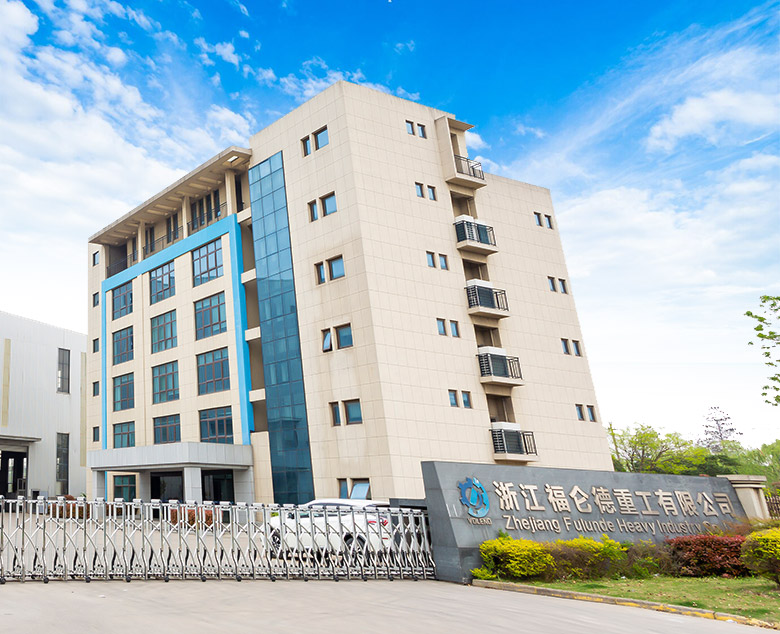
Zhejiang Fulunde Heavy Industry Co., Ltd.
-
Establishment time
0 -
Annual output value (tons)
0 -
Annual sales
0million -
Annual item
0 -
Cooperative customer
0+
News center
News Update
-
2026-07-10Precision steel structure components are the silent foundation of every reliable aerospace test facility and manufacturing cell. Without dimensionally stable, h...Read More
-
2026-07-03A Direct Path to Project Certainty Choosing a specialized OEM manufacturer for steel structure components is the most effective way to secure structural integr...Read More
-
2026-06-26Steel structure components in mining machinery rarely fail from a single overload event. The overwhelming majority of failures trace back to cumulative fatigue...Read More
-
2026-06-18Steel makes up roughly 85% of every wind turbine ever built — tower sections, nacelle frames, yaw rings, bearing housings, and the structural interfaces holdin...Read More
Copyright © Zhejiang Fulunde Heavy Industry Co., Ltd. All rights reserved.
 OEM Marine Industry Steel Structure Component Factory