 +86-573-86868360
 Inquiry
 English
 Español
 عربى
عربى

Content
Steel accounts for roughly half of global material consumption in construction and industrial machinery—yet not all steel components are engineered equally. The structural components inside an excavator boom, crane mast, or concrete pump frame determine whether the machine lasts five years or twenty-five. Choosing the right type, grade, and fabrication standard from the start is the single decision that most affects long-term performance and total cost of ownership.
Why Steel Components Define Construction Machinery Performance
Construction machinery operates under extreme and highly variable loads. A single excavation cycle subjects the boom to compression, tension, torsion, and impact loads within seconds. Steel's high strength-to-weight ratio makes it the only practical material for components that must remain lightweight while bearing these forces reliably over tens of thousands of operating hours.
Beyond raw strength, steel's ductility matters just as much. Ductile steel structures absorb energy before failing, giving engineers and operators time to detect fatigue before catastrophic fracture occurs. In seismic zones or high-impact environments, this property is not optional—it is the difference between repairable damage and write-off. Prefabricated and precisely machined steel components also allow faster assembly and more predictable maintenance schedules compared to cast or welded alternatives.
Core Steel Structure Components Used in Construction Machinery
Understanding which component type fits which application prevents costly specification errors. The four categories below cover the majority of structural steel used in construction equipment today.
H-beams and I-beams are the workhorses of main frames, booms, and jib arms. H-beams, with their uniform flange thickness, offer greater load-bearing capacity in heavy-duty applications such as crane main girders, while I-beams suit lighter span structures where weight reduction is prioritised.
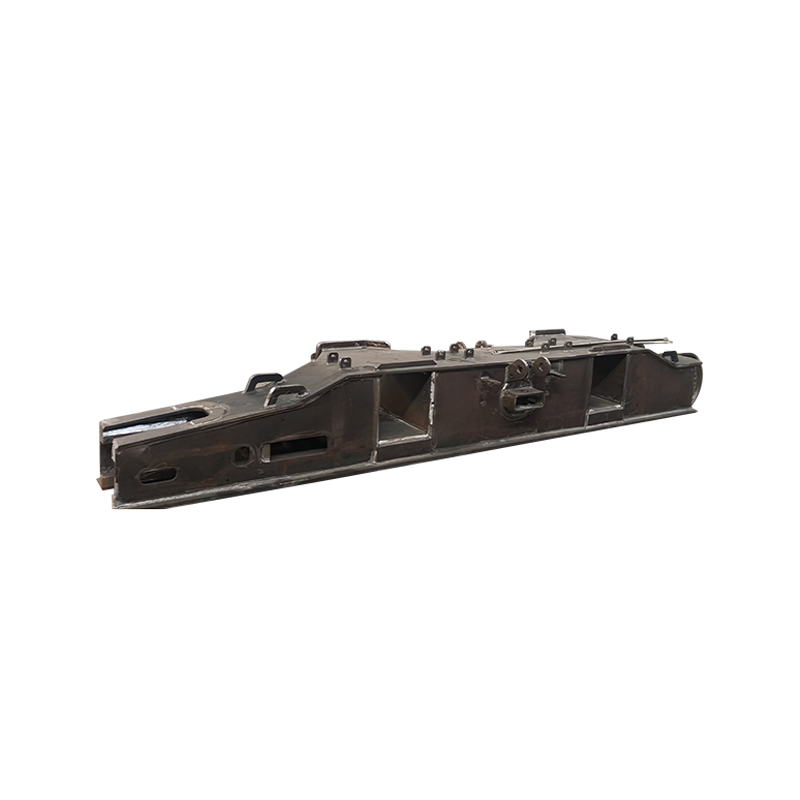
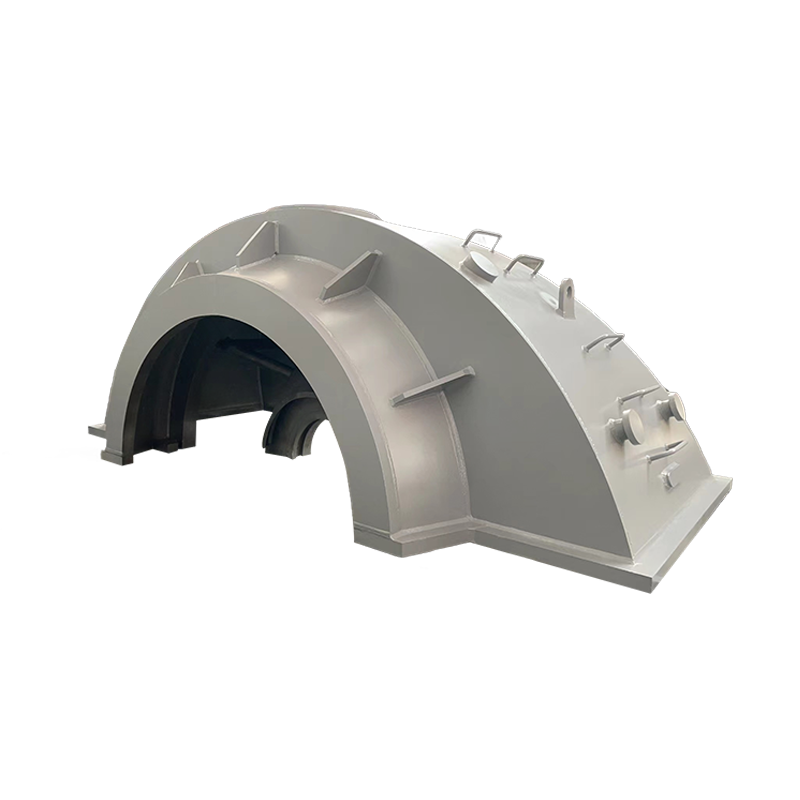
Steel plates are used for counterweights, bucket floors, cab structures, and baseframes. Their versatility lies in the ability to be cut, drilled, bent, and welded into virtually any geometry. Plate thickness is selected based on the calculated stress concentration at each point in the assembly.
Hollow Structural Sections (HSS)—square, rectangular, and round tubes—appear wherever multi-directional load-bearing support is required. Outrigger legs, mast sections, and connection nodes frequently use HSS because the closed profile resists torsion that open sections cannot.
Connection components including gusset plates, bearing piles, angles, and bolted or welded joints are the elements most often underspecified. Connections transfer forces between members; a weak connection in a high-stress node can initiate failure regardless of how well the primary members are sized. Bracing layout and connection design must reflect the specific load conditions of each machine model, not generic templates.
Material Standards and Grade Selection
Selecting the right steel grade begins with understanding the load type and environmental exposure the component will face. The most widely referenced framework is the ASTM International steel standards library, which governs chemical composition, mechanical properties, and acceptable fabrication tolerances for structural steel used in bridges, buildings, and heavy equipment alike.
ASTM A36 remains the baseline for general structural applications—easy to weld, machine, punch, and rivet. It suits lower-stress frames and secondary structures. Where higher yield strength is required without sacrificing weldability, ASTM A572 Grade 50 is the standard choice, offering a tensile yield strength of around 50,000 psi and broad acceptance in crane frames, truck chassis, and structural booms. For machinery operating outdoors in corrosive environments, ASTM A588 introduces inherent atmospheric corrosion resistance that strengthens over time without paint, reducing long-term maintenance costs.
Medium- and high-carbon structural steels are reserved for mechanical engineering applications within machinery—gears, shafts, and high-load pivot pins—where hardness and toughness take priority over weldability. Mixing grades within a single fabrication without clear documentation is a frequent source of field failures; every component's steel certificate should travel with the shipment.
Fabrication Processes That Determine Component Quality
A correctly specified grade of steel can still produce a substandard component if the fabrication process is poorly controlled. The manufacturing chain for structural steel components in construction machinery typically involves six critical steps, each of which introduces or eliminates defects.
Band saw cutting and CNC drilling establish the dimensional tolerances that determine how precisely components assemble in the field. Errors here propagate through every subsequent weld joint. Bevelling and scallop cutting prepare H-beam flanges for full-penetration welds; insufficient bevel angle leads to incomplete fusion, which is one of the most common causes of weld fatigue cracking under cyclic loading.
Shot blasting before painting removes mill scale and creates a surface profile that improves paint adhesion. Without it, protective coatings delaminate within months in wet environments. Press brake bending converts flat plate into channels, angles, and formed enclosures; cambering machines add controlled camber to long beams to compensate for dead-load deflection. Finally, CNC plasma cutting allows high-definition hole patterns and contour shapes that would be impractical with manual methods and would introduce stress concentrations.
For procurement teams, the key question is not just what equipment a supplier uses, but whether the process is documented, repeatable, and third-party verified. Explore the fabrication machinery and structural component equipment available at Volend Machinery to understand the processing capabilities that determine output quality.
How to Source the Right Components for Your Project
Sourcing structural steel components for construction machinery is not a commodity purchase. Three criteria separate reliable suppliers from ones that create downstream problems.
First, material traceability. Every batch of structural steel should be accompanied by a mill certificate confirming the heat number, chemical composition, and mechanical test results. Suppliers who cannot provide this documentation are bypassing the quality chain that standards like ASTM were designed to enforce.
Second, fabrication capability. A supplier with CNC drilling lines, automated welding capacity, and shot-blast finishing in-house can guarantee tolerances and surface quality that outsourced, fragmented production cannot. Visiting the factory—or requesting documented process audits—reveals whether the production infrastructure matches the quotation.
Third, customisation flexibility. Construction machinery components are rarely off-the-shelf; boom lengths, plate thicknesses, and connection geometries vary by model, market, and regulation. A supplier with OEM and ODM capacity, and an engineering team capable of reading and advising on design drawings, reduces the iteration cycles that delay projects and inflate costs. Review the full range of construction machinery components and structural steel solutions to match specifications to your project requirements.
The structural steel components at the heart of construction machinery are not an area to value-engineer through cheaper grades or unverified fabrication. Specifying correctly the first time—the right grade, the right process, the right supplier—is always less expensive than the downtime, liability, and replacement cost of components that fail in the field.