 +86-573-86868360
 Inquiry
 English
 Español
 عربى
عربى

Content
- 1 What Are Heavy Machinery Components and Why Do They Matter
- 2 Core Categories of Heavy Machinery Components
- 3 Material Standards and Quality Benchmarks
- 4 OEM vs. Aftermarket: Choosing the Right Supply Source
- 5 Predictive Maintenance and Component Life Management
- 6 Global Supply Chain Considerations for Heavy Machinery Components
What Are Heavy Machinery Components and Why Do They Matter
Heavy machinery components are the structural and functional parts that make up large-scale industrial equipment — from excavators and bulldozers to cranes, crushers, and mining hauls. These components are not interchangeable commodity parts; they are precision-engineered assemblies built to withstand extreme loads, harsh environments, and continuous operational cycles that standard mechanical parts simply cannot endure.
In industries such as construction, mining, agriculture, and oil & gas, the performance of a machine is only as reliable as its weakest component. A single point of failure — a cracked boom arm, a worn hydraulic seal, or an out-of-spec gear — can halt operations, delay project timelines, and generate repair costs that far exceed the original part value. This is why sourcing high-quality heavy machinery components is a strategic decision, not merely a procurement task.
Core Categories of Heavy Machinery Components
Understanding the major component categories helps buyers make more informed decisions and simplifies maintenance planning across equipment fleets.
Structural Components
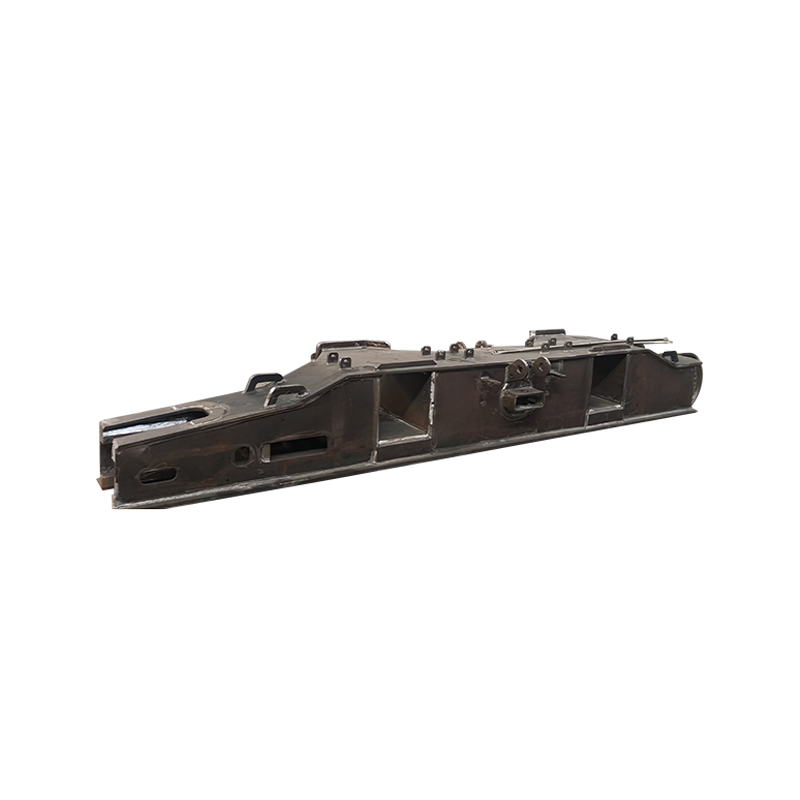
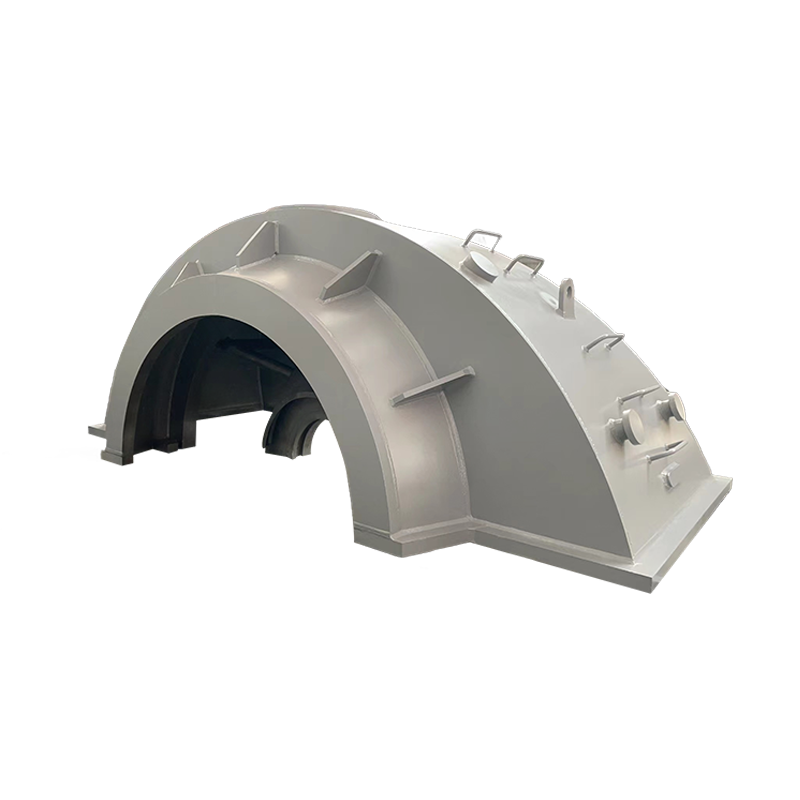
These form the skeleton of the machine — chassis frames, boom structures, undercarriage assemblies, and counterweights. They are typically fabricated from high-strength steel alloys with tensile strengths exceeding 700 MPa, and are engineered to absorb both static loads and dynamic impact forces without fatigue cracking over tens of thousands of operating hours.
Hydraulic System Components
Hydraulic systems are the muscle of most heavy equipment. Key components include hydraulic cylinders, pumps, motors, control valves, and accumulators. Modern excavators may operate at hydraulic pressures between 300 and 450 bar, requiring components with tight manufacturing tolerances and advanced sealing technologies to prevent leakage and maintain efficiency.
Drivetrain and Transmission Components
Final drives, travel motors, gearboxes, torque converters, and axles fall under this category. These parts handle power transfer from the engine to ground-engagement systems. In tracked machines, the final drive must cope with both propulsion torque and the lateral stresses imposed by steering and rough terrain.
Ground Engagement Tools (GET)
Bucket teeth, cutting edges, track shoes, wear plates, and ripper shanks are classified as ground engagement tools. These components are consumables by design — they are intentionally sacrificial to protect the more expensive structural parts beneath them. Material choices here typically involve Brinell hardness ratings of 400–600 HB to maximize wear life in abrasive conditions.
Engine and Powertrain Components
Turbochargers, fuel injection systems, cooling modules, engine mounts, and exhaust aftertreatment components power the entire machine. With Tier 4 Final and Stage V emission standards now in effect across North America and Europe, powertrain components must meet strict performance and environmental compliance requirements simultaneously.
Material Standards and Quality Benchmarks
The longevity of heavy machinery components depends heavily on material selection and manufacturing process control. Leading manufacturers adhere to internationally recognized standards, including:
- ISO 6336 for gear load capacity calculations
- ASTM A514 / EN S690QL for high-strength structural steel
- SAE J1228 for off-road machine component design
- DIN 3990 for gear tooth profile and contact stress limits
Beyond material grades, heat treatment processes — including case hardening, induction hardening, and through hardening — play a decisive role in determining surface wear resistance versus core toughness. A final drive ring gear, for example, typically requires a surface hardness of 58–62 HRC paired with a tough core to resist impact fracture during rock encounters.
| Component Category | Typical Material | Key Performance Requirement |
|---|---|---|
| Structural Frame | High-strength low-alloy steel (HSLA) | Fatigue resistance >10⁷ cycles |
| Hydraulic Cylinder | CK45 / 42CrMo4 steel | Surface roughness Ra ≤ 0.4 µm |
| Bucket Teeth (GET) | Manganese steel / carbide composite | 400–600 HB hardness |
| Final Drive Gear | Case-hardened alloy steel | 58–62 HRC surface hardness |
| Track Shoe | Boron steel | Traction & wear balance |
OEM vs. Aftermarket: Choosing the Right Supply Source
The decision between OEM (Original Equipment Manufacturer) and aftermarket heavy machinery components is one of the most consequential choices fleet managers face. There is no universal answer — the right choice depends on the component type, machine age, application criticality, and total cost of ownership targets.
OEM components offer guaranteed compatibility, factory-validated performance data, and typically come with warranty coverage. However, they are priced at a premium — often 30–60% higher than equivalent aftermarket alternatives — and lead times can be extended for older machine models where parts are no longer in active production.
Aftermarket components from reputable manufacturers can match or exceed OEM specifications at a lower cost, particularly for high-wear consumables like GET, undercarriage parts, and hydraulic seals. The key distinction is sourcing from certified suppliers who can provide material certifications, dimensional inspection reports, and traceable manufacturing documentation. Purchasing from unverified low-cost sources introduces significant risk — substandard metallurgy in a final drive gear or a poorly toleranced hydraulic cylinder rod can result in premature failure and costly unplanned downtime.
Industry data suggests that unplanned equipment downtime in construction and mining costs between $1,000 and $5,000 per hour depending on the machine type and project context. Against this backdrop, the marginal savings from inferior parts rarely justify the exposure.
Predictive Maintenance and Component Life Management
Modern fleet operations are increasingly moving away from reactive maintenance — replacing components after failure — toward predictive and condition-based maintenance strategies. This shift is driven by advances in sensor technology, telematics, and machine learning analytics that can identify wear patterns and failure precursors before they result in operational interruptions.
Key indicators monitored in advanced maintenance programs include:
- Hydraulic oil contamination levels — particle count per ISO 4406 cleanliness codes can signal internal component wear before visible degradation occurs
- Vibration signatures — deviations in gear mesh frequency or bearing frequencies indicate developing faults in drivetrain components
- Thermal imaging — hotspots on undercarriage or final drive housings often reveal lubrication failure or bearing deterioration
- Wear metal analysis in oil samples — elevated iron, copper, or chromium concentrations in engine or gearbox oil samples can pinpoint which component is degrading
Integrating these diagnostic inputs with planned component replacement schedules allows operations to transition from time-based to condition-based intervals, extending component service life by 15–30% while reducing both planned and unplanned maintenance costs.
Global Supply Chain Considerations for Heavy Machinery Components
The global market for heavy machinery components exceeded USD 180 billion in 2024 and continues to expand as infrastructure investment accelerates across Asia-Pacific, the Middle East, and Sub-Saharan Africa. This growth creates both opportunity and complexity for procurement teams navigating multi-source supply chains.
Key supply chain factors to evaluate when sourcing components internationally include:
- Manufacturing certifications — ISO 9001 quality management, ISO 14001 environmental compliance, and industry-specific certifications such as CE marking for equipment sold into European markets
- Lead time reliability — for critical path components, supplier lead time consistency matters as much as unit price; a 10% cost saving is negated by a 3-week delivery delay on a mining project
- Traceability and documentation — material test reports (MTRs), heat treatment certificates, and dimensional inspection records are essential for components used in safety-critical applications
- Packaging and corrosion protection — long-haul ocean shipments require components to be properly preserved with anti-rust coatings, moisture barriers, and adequate crating to prevent transit damage
- After-sales support — technical documentation availability, warranty claim processes, and local service representation determine the real value of a supplier relationship over time