 +86-573-86868360
 Inquiry
 English
 Español
 عربى
عربى

Content
What Are Excavating Machinery Steel Structure Components?
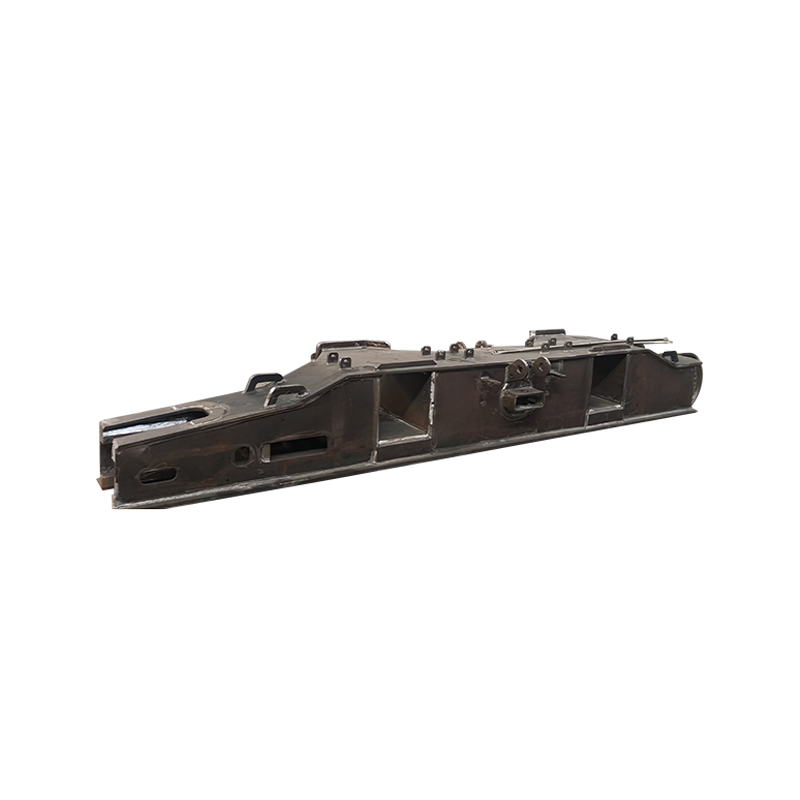
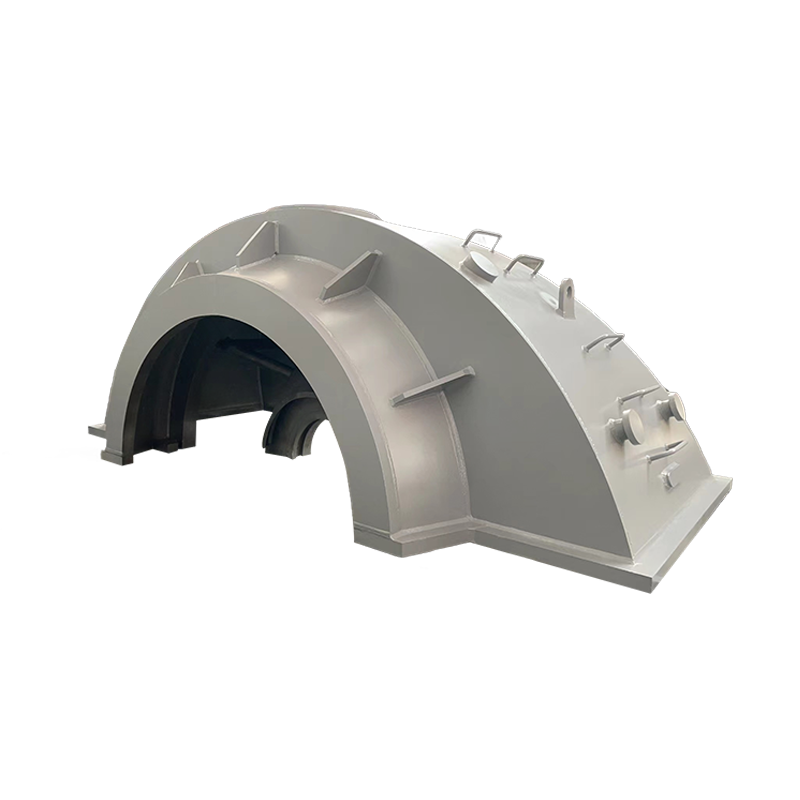
Excavating machinery steel structure components are the load-bearing fabricated parts that form the skeletal framework of excavators, including the boom, arm (dipper stick), bucket, undercarriage frame, and swing platform. These parts are not standard off-the-shelf items — they are precision-engineered weldments designed to absorb high-cycle dynamic stress, impact loads, and abrasive wear in demanding earthmoving environments.
Unlike castings or forgings, steel structural components are assembled from cut and formed plate steel, structural profiles, and machined inserts. Their performance depends on material selection, welding quality, dimensional accuracy, and surface treatment — all of which directly affect the operational lifespan of the machine.
Key Component Types and Their Structural Roles
Understanding the function of each structural assembly helps procurement engineers and OEM buyers specify the right material grade and fabrication tolerance for their application.
Boom Assembly
The boom is the primary lifting and reach arm connecting the swing platform to the dipper stick. It experiences the highest combined bending and torsional loads of any structural component. Most OEM booms for 20–50-ton class excavators are fabricated from high-strength low-alloy (HSLA) steel with yield strengths of 690–960 MPa, such as SSAB Hardox® 450 or equivalent grades. Box-section construction with internal stiffening ribs is standard.
Arm (Dipper Stick) Assembly
The arm transmits crowd force from the hydraulic cylinder to the bucket, operating under heavy bending stress during digging cycles. Fatigue life at the pin-eye welded joints is the primary design concern. Proper weld preparation, fillet sizing, and post-weld heat treatment (PWHT) at stress concentration zones can extend service life by 30–50% compared to standard production methods.
Undercarriage Frame
The track frame and main frame carry the entire machine weight and absorb ground reaction forces. These are typically fabricated from structural carbon steel (e.g., Q345B / S355JR) with robotic or semi-automatic MIG/MAG welding. Flatness and parallelism tolerances at the track roller mounting surfaces are critical — deviations exceeding 1.5 mm can accelerate undercarriage wear significantly.
Swing Platform (Revolving Frame)
The revolving frame supports the counterweight, engine compartment, hydraulic system, and boom. It is the most geometrically complex structural fabrication in the machine. Dimensional accuracy of the swing bearing mounting surface (flatness ≤ 0.5 mm across the full diameter) is non-negotiable for smooth swing operation and bearing longevity.
Material Grades: A Practical Comparison
Material selection involves balancing strength, weldability, cost, and availability. The table below summarizes the most commonly used steel grades in excavator structural fabrication:
| Steel Grade | Yield Strength | Typical Application | Weldability |
|---|---|---|---|
| Q345B / S355JR | ≥ 345 MPa | Undercarriage frame, platform | Excellent |
| Q460 / S460M | ≥ 460 MPa | Arm, boom mid-section | Good |
| Q690 / S690QL | ≥ 690 MPa | Boom root, pin-eye zones | Moderate (preheat required) |
| Hardox 450 / 500 | ≥ 1200 MPa (hardness) | Bucket lip, wear liners | Requires low-hydrogen process |
Fabrication Standards and Quality Control Requirements
For structural components destined for OEM assembly or aftermarket replacement, adherence to recognized fabrication and inspection standards is essential. Buyers should verify the following when qualifying a supplier:
- Welding process qualification: ISO 15614-1 or AWS D1.1 procedure qualification records (PQR) should be available for all critical joint configurations.
- Dimensional inspection: First-article inspection (FAI) reports with CMM or laser tracker data for all pin-bore centers, flatness of mating surfaces, and overall length/height tolerances.
- Non-destructive testing (NDT): Magnetic particle testing (MT) or ultrasonic testing (UT) on all primary weld seams — particularly at stress-riser locations such as gusset terminations and pin-eye to plate interfaces.
- Surface treatment: Multi-layer epoxy primer + topcoat systems with minimum 80–120 µm DFT (dry film thickness) for corrosion resistance in outdoor operating environments.
- Material traceability: Mill test certificates (MTC) with heat number traceability from raw plate to finished component.
Suppliers operating under ISO 3834-2 (comprehensive quality requirements for fusion welding) provide the highest baseline assurance for structural integrity in safety-critical applications.
How to Evaluate a Supplier of Excavating Machinery Steel Structure Components
Beyond technical specifications, sourcing decisions should account for the supplier's manufacturing infrastructure and capacity scalability:
- CNC plasma / laser cutting capability: Tight nesting tolerance (±0.5 mm on cut profiles) reduces fit-up gaps and improves weld quality.
- Robotic welding coverage: High-volume structural components should have ≥60% of weld length completed by robotic or automated systems to ensure bead consistency.
- Tooling and fixturing: Dedicated welding fixtures are essential for holding inter-pin-bore distances within ±0.3 mm across production batches.
- Shot blasting and painting line: Integrated surface treatment prevents outsourcing delays and ensures process control over adhesion and coating thickness.
- Export packaging experience: Heavy structural parts require fumigation-free wooden crates, rust-inhibiting packaging films, and proper blocking to prevent transit damage — particularly for sea freight shipments exceeding 30-day transit times.
Requesting a factory audit or third-party inspection report before placing a first order is standard practice for high-value structural component procurement.