 +86-573-86868360
 Inquiry
 English
 Español
 عربى
عربى

Content
Impact crushers are widely used in the mining, quarrying, and recycling industries due to their ability to handle hard materials and reduce large rocks into smaller, manageable pieces. The performance and longevity of these machines depend heavily on the quality and strength of their structural components, most of which are made from carbon steel. Understanding how heat treatment affects the strength of these parts is critical for improving their durability, reducing downtime, and optimizing operational efficiency.
Understanding Impact Crusher Carbon Steel Structural Parts
Before delving into heat treatment, it’s important to recognize the types of structural parts in an impact crusher and the role carbon steel plays in their performance.
Common Structural Parts
Impact crusher structural parts include:
- Rotor shafts – the rotating component that carries the blow bars.
- Blow bars – impact tools that strike and break the material.
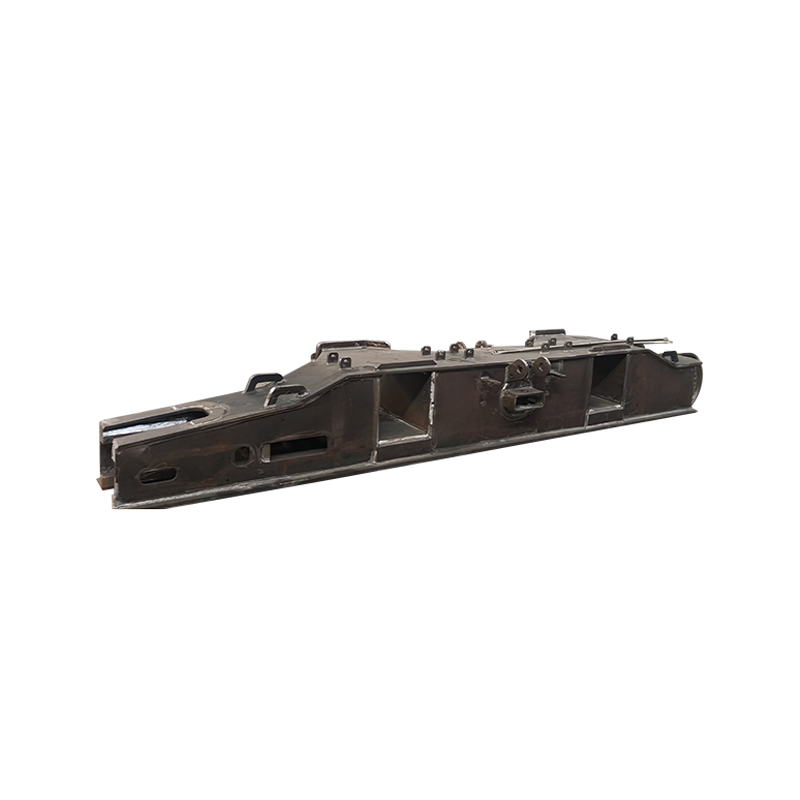
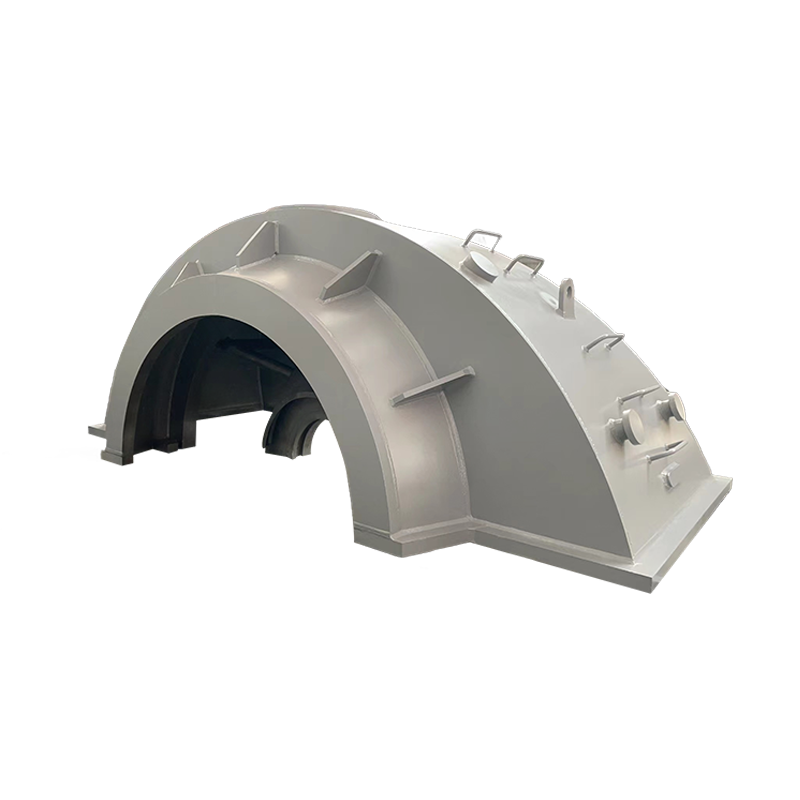
- Frame and housing – support the rotor and absorb operational stresses.
- Impact plates or liners – surfaces that bear repeated impacts.
These components are subjected to extreme forces, including:
- High-impact collisions
- Abrasive wear
- Fatigue stress
- Vibrations
Why Carbon Steel?
Carbon steel is preferred for many structural parts because:
- It offers a good balance of strength, toughness, and ductility.
- It can be heat-treated to enhance mechanical properties.
- It is cost-effective and readily available.
However, carbon steel’s performance is highly dependent on its microstructure, which can be significantly altered through heat treatment.
The Basics of Heat Treatment
Heat treatment refers to the controlled heating and cooling of metals to alter their physical and mechanical properties without changing their shape. For carbon steel, the primary goals of heat treatment are to improve:
- Hardness
- Tensile strength
- Toughness
- Wear resistance
Common Heat Treatment Processes
-
Annealing
- Slow heating followed by gradual cooling.
- Reduces hardness, relieves internal stresses, and improves ductility.
- Ideal for components that need machining or forming before final use.
-
Quenching
- Rapid cooling from a high temperature, often in water, oil, or air.
- Produces a hard and brittle martensitic structure.
- Increases wear resistance but may reduce toughness.
-
Tempering
- Heating quenched steel to a lower temperature and then cooling slowly.
- Relieves internal stresses and increases toughness while maintaining hardness.
- Commonly applied after quenching to prevent brittle failure.
-
Normalizing
- Heating steel above its critical temperature followed by air cooling.
- Produces a fine-grained structure with uniform mechanical properties.
- Improves toughness and strength, useful for parts subjected to impact.
Each heat treatment process affects carbon steel differently, and selecting the correct method depends on the intended application and performance requirements of the crusher component.

Effects of Heat Treatment on Strength
Strength is a key factor for impact crusher parts. It determines whether the parts can withstand repeated collisions and abrasive wear. Heat treatment can significantly influence various aspects of strength:
1. Hardness
-
Definition: Resistance of a material to surface indentation or abrasion.
-
Impact of Heat Treatment:
- Quenching produces the hardest carbon steel due to martensitic transformation.
- Tempering slightly reduces hardness but enhances toughness, preventing cracks.
-
Practical Implication: Blow bars, impact plates, and liners benefit from quenching and tempering to withstand repeated impact and abrasion.
2. Tensile Strength
-
Definition: Maximum stress a material can withstand while being stretched or pulled.
-
Impact of Heat Treatment:
- Normalized or tempered steel shows higher tensile strength than untreated steel.
- Excessive quenching without tempering may make parts brittle, reducing effective tensile strength under operational conditions.
-
Practical Implication: Rotor shafts and frame components need a balanced combination of strength and toughness to resist both static and dynamic loads.
3. Toughness
-
Definition: Ability to absorb energy and deform plastically before fracturing.
-
Impact of Heat Treatment:
- Annealing improves toughness but reduces hardness.
- Tempering after quenching significantly increases toughness without majorly compromising hardness.
-
Practical Implication: Components like rotor shafts and structural supports benefit from tempered steel to avoid catastrophic failure under repeated impacts.
4. Fatigue Resistance
-
Definition: Ability to withstand cyclic loading over time without failure.
-
Impact of Heat Treatment:
- Heat treatment can relieve internal stresses and reduce microstructural defects, improving fatigue resistance.
- Properly tempered and normalized steel shows better fatigue life in high-stress components.
-
Practical Implication: Crushers often operate continuously under cyclic loads, so improved fatigue resistance extends service life.
5. Wear Resistance
-
Definition: Resistance to surface material loss due to friction or abrasion.
-
Impact of Heat Treatment:
- Quenching followed by tempering produces a hard outer layer while maintaining a tougher interior.
- Surface treatments like carburizing or nitriding can complement heat treatment for specialized wear resistance.
-
Practical Implication: Blow bars and impact plates, being high-wear areas, benefit most from these treatments.
Microstructural Changes in Carbon Steel
Heat treatment alters the microstructure of carbon steel, which in turn affects strength:
- Ferrite and Pearlite (Annealed Steel): Soft, ductile, easy to machine.
- Martensite (Quenched Steel): Hard, brittle, excellent wear resistance.
- Tempered Martensite: Balanced hardness and toughness, ideal for impact-prone components.
- Fine-Grained Pearlite (Normalized Steel): Uniform structure, improved toughness, and strength.
Understanding these changes helps engineers select the right heat treatment for each crusher part.
Practical Heat Treatment Considerations for Impact Crusher Parts
1. Material Composition
- Higher carbon content increases hardness potential but reduces ductility.
- Alloying elements like chromium, molybdenum, and vanadium improve hardenability and toughness.
2. Part Geometry
- Thick parts cool more slowly, which can lead to uneven microstructures.
- Specialized cooling methods may be necessary to prevent warping or cracking.
3. Operational Environment
- High-impact, abrasive environments require a balance between hardness and toughness.
- For less abrasive conditions, annealed or normalized steel may suffice.
4. Post-Treatment Processes
- Surface finishing, shot peening, and coating can further enhance wear and fatigue resistance.
- Regular inspections and maintenance ensure long-term reliability.
Case Examples
Rotor Shafts
- Quenched and tempered rotor shafts exhibit high strength and toughness.
- Normalization ensures uniform microstructure, reducing the risk of torsional failure.
Blow Bars
- High-carbon steel blow bars are typically quenched and tempered to resist impact and abrasion.
- Surface hardness around 55–60 HRC is common for optimal performance.
Impact Plates
- Often made of medium-carbon steel with quenching and tempering.
- Balances hardness for wear resistance with sufficient toughness to avoid cracking under repeated impacts.
Conclusion
Heat treatment plays a crucial role in enhancing the strength and durability of Impact Crusher Carbon Steel Structural Parts. By carefully selecting and applying processes such as annealing, quenching, tempering, and normalizing, manufacturers and engineers can:
- Improve hardness, tensile strength, and toughness.
- Enhance fatigue and wear resistance.
- Extend the service life of critical components.
- Reduce operational downtime and maintenance costs.
The key is understanding the specific requirements of each component and the operational environment of the crusher. Proper heat treatment ensures that impact crusher parts not only perform efficiently but also maintain their structural integrity under the harshest conditions.
Investing in optimized heat treatment processes is not just a matter of metallurgy—it is a practical strategy to improve reliability, reduce costs, and maximize productivity in industries where impact crushers are indispensable.