 +86-573-86868360
 Inquiry
 English
 Español
 عربى
عربى

Content
- 1 Understanding Carbon Steel in Cutter Head Structural Parts
- 2 What is Heat Treatment?
- 3 Why Heat Treatment Improves Durability
- 4 Common Heat Treatment Processes for Cutter Head Components
- 5 Practical Considerations for Implementing Heat Treatment
- 6 Benefits of Heat-Treated Cutter Head Parts
- 7 Common Challenges and Solutions
- 8 Conclusion
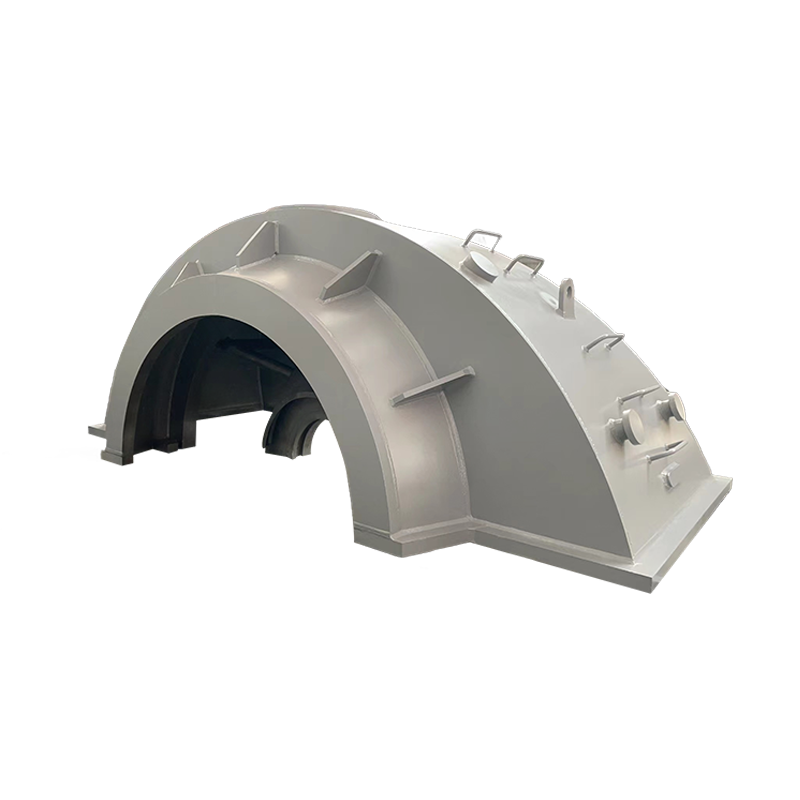
Shield machines are critical in modern tunneling projects, used for constructing subway tunnels, water conveyance systems, and underground roadways. At the heart of these machines is the cutter head, a rotating assembly that cuts through soil and rock. The structural components of the cutter head, often made of carbon steel, face extreme mechanical and environmental stresses, including abrasion, impact, and cyclic loading. Ensuring their durability and longevity is essential for operational efficiency and safety. One of the most effective ways to enhance these properties is through heat treatment.
Understanding Carbon Steel in Cutter Head Structural Parts
Carbon steel is widely used in shield machine cutter heads due to its strength, toughness, and cost-effectiveness. Depending on its carbon content, carbon steel can vary from low-carbon steel (0.05–0.25% carbon) to medium (0.25–0.60%) and high-carbon steel (0.60–1.0%).
For cutter head components, medium- and high-carbon steels are often preferred because they offer higher hardness and better wear resistance, which is crucial when cutting through abrasive soils or rocks. However, the raw mechanical properties of carbon steel are often insufficient for extreme tunneling conditions. This is where heat treatment comes into play.
What is Heat Treatment?
Heat treatment is a controlled process of heating and cooling metals to achieve specific mechanical properties. By altering the microstructure of steel, heat treatment can improve hardness, toughness, strength, and wear resistance.
The main types of heat treatment applied to carbon steel structural parts include:
- Annealing – Heating steel to a specific temperature and cooling slowly to soften it, relieve internal stresses, and improve machinability.
- Quenching – Rapidly cooling steel from a high temperature, typically in water, oil, or air, to increase hardness.
- Tempering – Reheating quenched steel to a lower temperature to reduce brittleness while maintaining hardness.
- Normalizing – Heating steel and air-cooling to refine the grain structure and improve uniformity and toughness.
- Surface Hardening (Case Hardening) – Techniques like carburizing, nitriding, or induction hardening to create a hard wear-resistant surface while maintaining a tough interior.
Each method can be tailored to specific structural components of the cutter head, depending on their role, stress exposure, and required mechanical properties.
Why Heat Treatment Improves Durability
The durability of cutter head structural parts depends on their ability to resist wear, impact, and fatigue. Heat treatment enhances durability in several ways:
1. Increasing Hardness and Wear Resistance
During operations, cutter head components experience abrasion from soil, sand, and rock particles. Harder steel surfaces resist this wear better. For example:
- Quenching followed by tempering transforms the steel microstructure into tempered martensite, which combines hardness with reduced brittleness.
- Surface hardening techniques such as induction hardening or carburizing create a hard layer at the surface while keeping the core tough. This is particularly useful for teeth, cutting discs, and contact surfaces on the cutter head.
2. Enhancing Toughness
A purely hard material can be brittle and prone to cracking under impact. Heat treatment balances hardness with toughness:
- Tempering allows steel to maintain sufficient hardness while increasing resistance to sudden impacts.
- Normalizing refines grain structures, improving the ability of the steel to absorb energy without fracturing.
This combination is critical for cutter head structural parts, which encounter both constant abrasion and sudden shocks when hitting rocks or hard soil layers.
3. Reducing Internal Stresses
Manufacturing processes like welding, forging, and machining introduce internal stresses into steel parts. These stresses can lead to distortion, cracking, or premature fatigue failure.
Heat treatment relieves these stresses through stress-relief annealing, stabilizing the part dimensions and improving long-term reliability.
4. Improving Fatigue Resistance
Shield machine cutter head components undergo cyclic loads as the cutter rotates under high torque and pressure. Fatigue failure is a common issue, especially in shafts, discs, and support frames.
- Proper heat treatment refines the steel grain structure, eliminating microstructural defects that act as initiation points for cracks.
- Surface hardening enhances contact fatigue resistance, crucial for repeated cutting action.

Common Heat Treatment Processes for Cutter Head Components
Different parts of the cutter head require different approaches depending on their function:
Cutter Discs and Teeth
- High hardness and wear resistance are critical.
- Process: Quenching + tempering, or induction hardening.
- Benefit: Hard surface resists abrasion, tough core prevents fracture during impact.
Shafts and Hub Structures
- Strength and toughness are more important than extreme hardness.
- Process: Normalizing or stress-relief annealing.
- Benefit: Reduces the risk of cracking under torsion or cyclic loads.
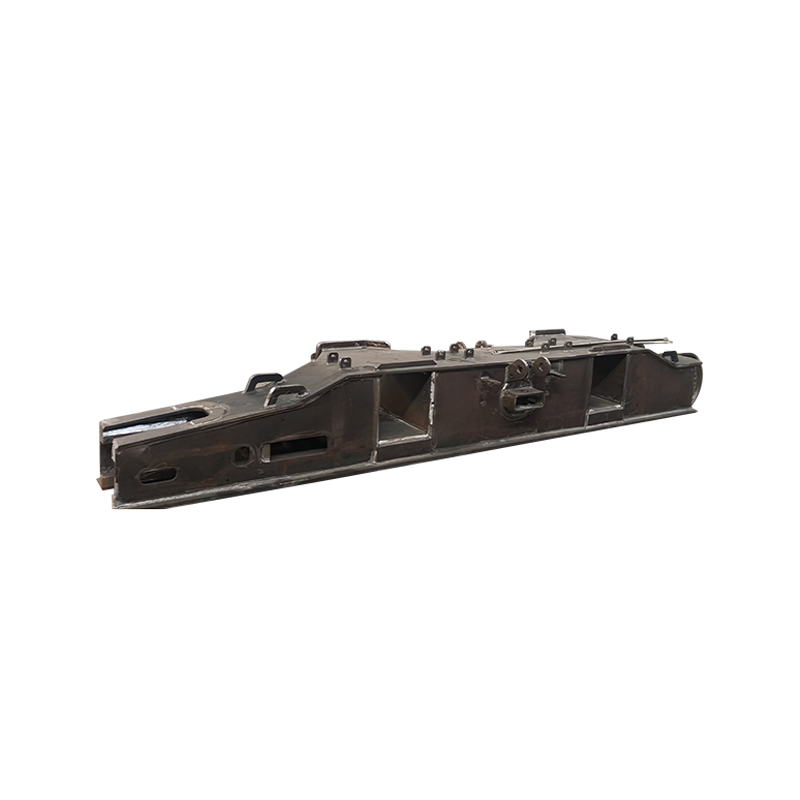
Welded Frames and Support Arms
- Stress relief is key to prevent post-welding distortion.
- Process: Post-weld heat treatment (PWHT) at moderate temperatures.
- Benefit: Ensures dimensional stability and improves fatigue life.
Bearing and Coupling Surfaces
- Wear and friction resistance are priorities.
- Process: Case hardening or surface nitriding.
- Benefit: Prolongs service life in sliding or rotating interfaces.
Practical Considerations for Implementing Heat Treatment
While heat treatment improves durability, its effectiveness depends on careful control of several factors:
-
Material Composition:
- Carbon content, alloying elements, and impurities influence the response to heat treatment.
- Alloying elements such as chromium, molybdenum, or manganese can improve hardenability and wear resistance.
-
Temperature Control:
- Precise heating and cooling rates are essential. Too rapid or uneven cooling can cause cracks, warping, or residual stress.
-
Quenching Medium:
- Water, oil, or air is selected based on the steel grade and desired hardness.
- High-carbon steels often require oil quenching to avoid excessive brittleness.
-
Tempering Schedule:
- Correct tempering temperature balances hardness and toughness.
- Over-tempering reduces wear resistance; under-tempering increases brittleness.
-
Post-Treatment Inspection:
- Hardness tests, microstructure analysis, and dimensional checks verify the quality of the heat-treated part.
-
Integration with Coatings:
- Heat-treated surfaces can be further coated with anti-corrosion layers or specialized lubricants to extend service life.
Benefits of Heat-Treated Cutter Head Parts
Properly heat-treated carbon steel structural components provide tangible benefits:
- Extended Service Life: Components last longer before needing replacement, reducing downtime.
- Higher Operational Efficiency: Hard, wear-resistant surfaces maintain cutting performance even in abrasive soils.
- Reduced Maintenance Costs: Less frequent repairs and part replacements lower operational costs.
- Improved Safety: Durable parts reduce the risk of sudden failures, protecting workers and equipment.
- Optimized Material Performance: Heat treatment enables steel to meet specific mechanical property requirements without excessive use of expensive alloying materials.
Common Challenges and Solutions
While heat treatment is highly effective, there are challenges:
- Distortion of Large Components: Shield machine cutter heads are massive; uneven heating or cooling can warp parts. Solution: Use uniform heating furnaces and controlled cooling systems.
- Brittleness from Over-Hardening: Excessive quenching can create cracks. Solution: Employ proper tempering and controlled cooling rates.
- Inconsistent Microstructure: Variations in steel composition can lead to uneven properties. Solution: Use certified steel grades and monitor composition carefully.
- Integration with Welded Assemblies: Heat treatment can affect previously welded sections. Solution: Apply post-weld heat treatment to relieve residual stresses.
Conclusion
Heat treatment is an essential process for enhancing the durability of shield machine cutter head carbon steel structural parts. By carefully selecting the appropriate treatment method—whether quenching and tempering, normalizing, or surface hardening—engineers can achieve an optimal balance of hardness, toughness, and wear resistance.
The benefits are clear: longer component life, reduced maintenance, higher operational efficiency, and improved safety. However, achieving these benefits requires precise control of temperatures, cooling rates, and material quality, along with post-treatment inspections.
For tunneling projects where shield machines operate under high stress and abrasive conditions, heat-treated carbon steel structural parts are not just advantageous—they are critical for reliable and cost-effective operations.