 +86-573-86868360
 Inquiry
 English
 Español
 عربى
عربى

Content
The Direct Link Between Metallurgy and Performance
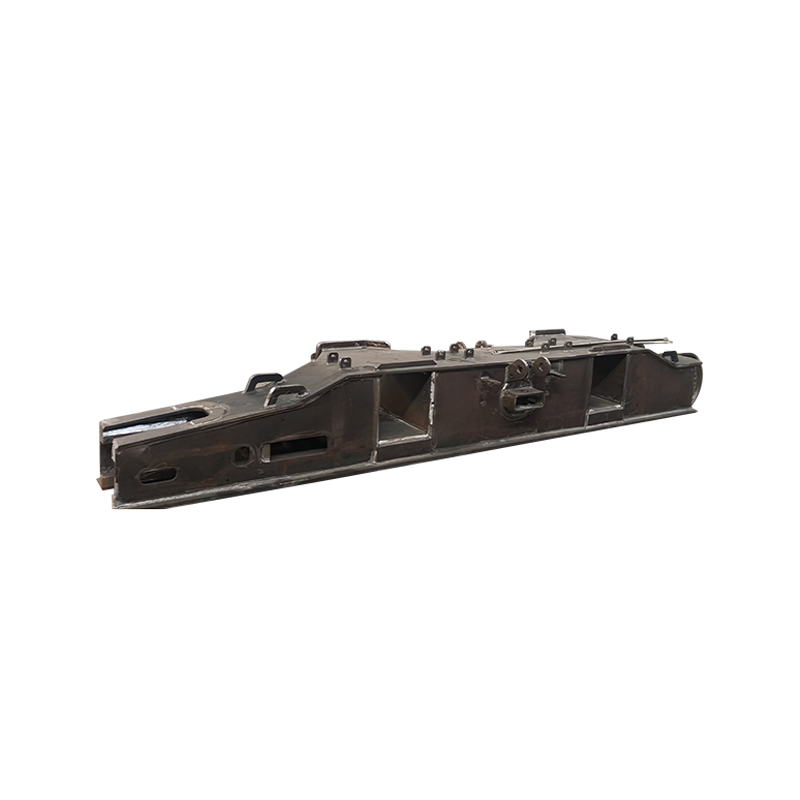
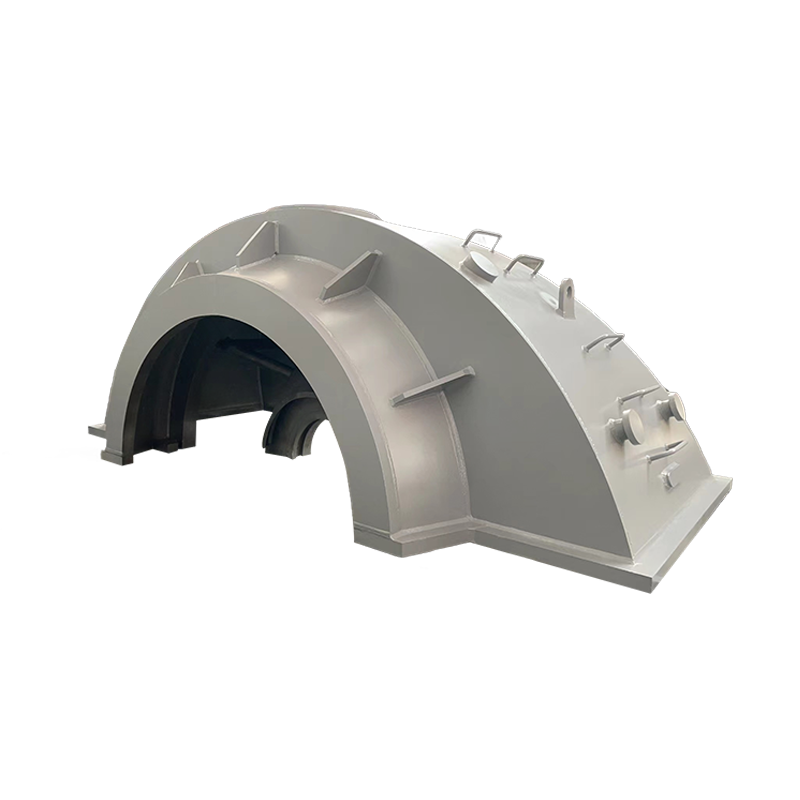
The foundation of crushing efficiency lies in the molecular structure of the steel itself. High-quality Impact Crusher Carbon Steel Structural Parts are defined by their precise chemical composition and subsequent heat treatment. Grades like high-carbon steel or medium-carbon alloy steels (e.g., 60Mn, 65Mn) are commonly specified for their optimal balance of hardness and toughness. Proper quenching and tempering processes transform this steel, creating a part with a hard, wear-resistant exterior to withstand abrasion, and a tough, ductile core to absorb massive repetitive impact forces without catastrophic failure. Inferior parts, often made from generic, non-specified steel or with improper heat treatment, will either be too soft—leading to rapid material loss and deformation—or too brittle, causing cracks and sudden breakage that halts production entirely.
Critical Components Where Quality Dictates Output
Every structural part plays a specific role, and its quality directly influences a key efficiency metric. The rotor assembly, the crusher's heart, must be dynamically balanced with high-quality steel shafts and discs. An imbalanced or weak rotor causes excessive vibration, wasting energy and damaging bearings, which reduces rotational efficiency and throughput. Blow bars or hammers are the primary point of contact. Superior quality here means maintained geometry for longer, ensuring consistent impact angle and velocity for predictable particle size reduction and higher yield of the desired product fraction. Likewise, high-quality apron liners and side liners maintain the proper crushing chamber geometry. As they wear evenly, the gap between the rotor and liners stays within design parameters, preventing oversized product from escaping without proper reduction, which would necessitate re-crushing and waste energy.
Specific Efficiency Impacts of Part Degradation
The decline in crushing efficiency is not linear; it accelerates as parts wear beyond their optimal profile. A worn blow bar with a rounded edge uses more energy to fracture material, often crushing it less effectively and producing more fines (undersized material) than the targeted product. This increases power consumption per ton of output. Deformed or excessively worn liners change the trajectory of rebounding material, reducing the effectiveness of secondary impact within the chamber. This leads to a drop in the crusher's reduction ratio—the ratio of feed size to product size—forcing the entire circuit to work harder to achieve the final product specification.
Operational Costs and Downtime: The True Measure of Quality
The financial impact of part quality extends far beyond the initial purchase price. This relationship is best illustrated by examining total cost of ownership over time.
| Factor | High-Quality Parts | Low-Quality Parts |
| Part Service Life | Longer, predictable intervals | Shorter, unpredictable failure |
| Crushing Consistency | Stable product gradation, fewer rejects | Fluctuating output, more off-spec material |
| Energy Consumption | Optimized, lower kWh per ton | Higher due to slippage and poor impact |
| Downtime Frequency | Scheduled, planned changes | Unscheduled, emergency stoppages |
| Associated Damage Risk | Low (contained wear) | High (breakage can damage other components) |
Unscheduled downtime is the greatest efficiency killer. A catastrophic failure of a low-quality rotor shaft or housing can stop a plant for days, causing massive production losses. High-quality parts, monitored through regular maintenance, allow for planned shutdowns, minimizing lost operating hours. Furthermore, consistent product shape and size from quality parts improves the efficiency of downstream processes like screening and conveying, creating a ripple effect of productivity across the entire operation.

Strategic Selection and Maintenance for Peak Efficiency
Maximizing efficiency requires a proactive strategy focused on part quality and condition monitoring. This involves:
- Material and Specification Alignment: Choose parts made from steel grades specifically engineered for impact crushing. Match the alloy and hardness profile to the specific material being crushed (e.g., granite vs. recycled concrete).
- Dimensional Precision: Ensure replacement parts meet OEM tolerances. Even minor dimensional errors can lead to improper fit, increased vibration, and accelerated wear of adjacent components.
- Systematic Inspection Regime: Implement a schedule to regularly measure wear on blow bars, liners, and rotors. Use wear gauges and maintain logs to predict failure before it affects output.
- Balanced Rotor Maintenance: After any replacement of wear parts, especially blow bars, the rotor must be re-balanced. An unbalanced rotor is a primary source of vibration, bearing failure, and inefficient energy transfer.
The ultimate goal is to maintain the crusher's kinetic energy system. Every impact must transfer maximum energy from the rotor through the blow bar to the rock. High-quality carbon steel structural parts are the essential conductors of that force. Their integrity ensures that the machine's input power (electricity/diesel) is converted directly into productive rock-breaking work, rather than being wasted on vibration, heat, or the creation of ineffective fines. Investing in superior parts is not an expense; it is a direct investment in the plant's throughput, product quality, and profitability.