 +86-573-86868360
 Inquiry
 English
 Español
 عربى
عربى

Content
- 1 Introduction to Carbon Steel Structural Parts in Pipe Jacking Machines
- 2 Key Components of the Carbon Steel Shell
- 3 Design Considerations for Carbon Steel Shells
- 4 Maintenance and Inspection Practices
- 5 Performance Optimization Strategies
- 6 Comparative Table of Carbon Steel Grades for Shell Components
- 7 Conclusion
Introduction to Carbon Steel Structural Parts in Pipe Jacking Machines
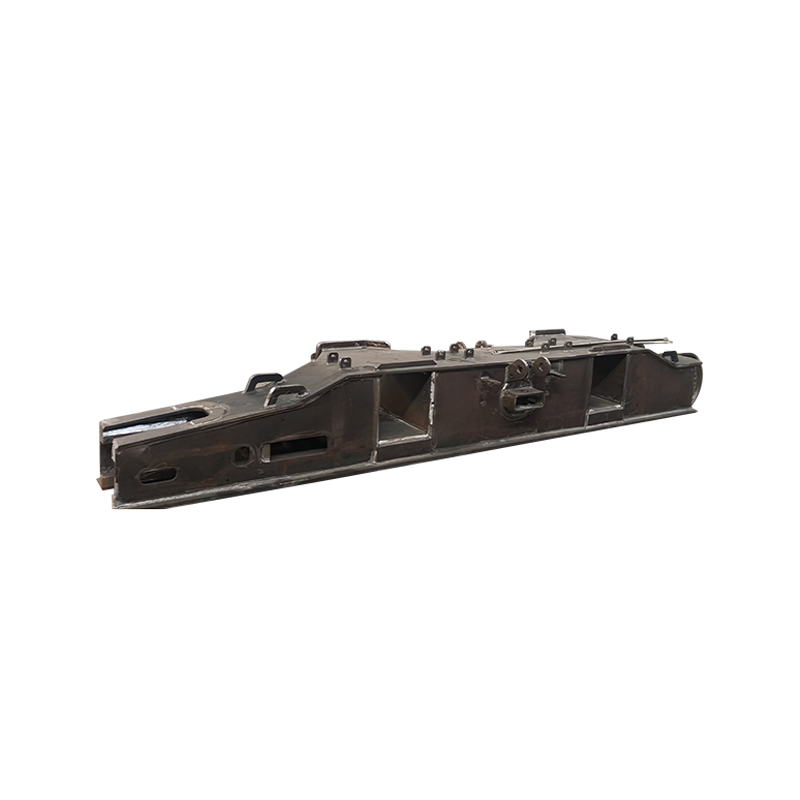
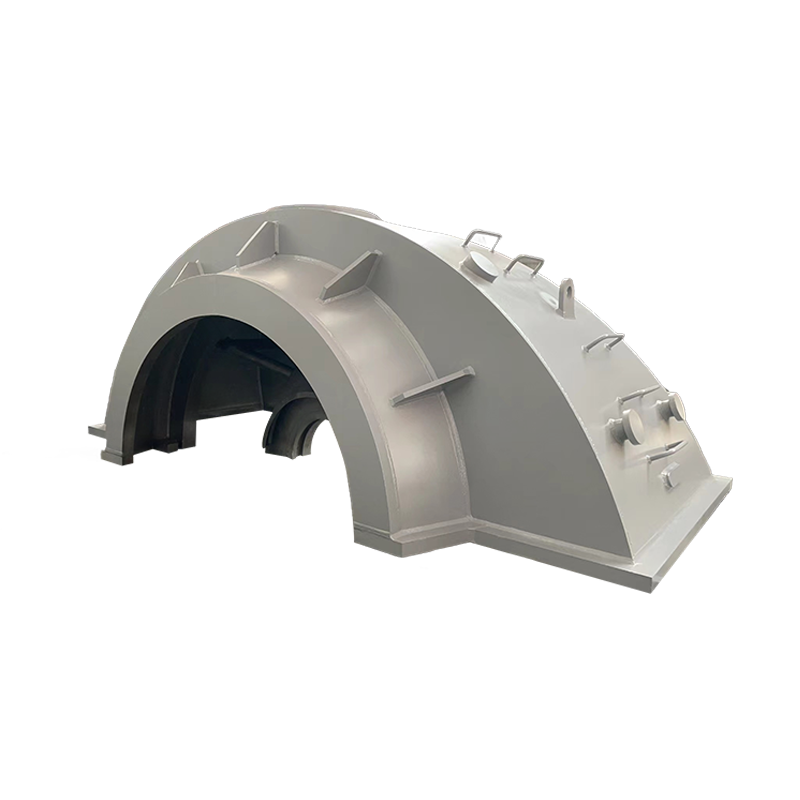
Pipe jacking machines are essential for trenchless construction, allowing underground pipeline installation without surface disruption. The shell of these machines, constructed from high-quality carbon steel, provides the core structural integrity. Understanding these structural parts is critical for design, maintenance, and operational efficiency.
Key Components of the Carbon Steel Shell
The carbon steel shell is not a single entity but a combination of interdependent structural components, each serving a specific function. These components collectively ensure strength, durability, and precision during jacking operations.
Main Frame
The main frame forms the backbone of the machine shell. Made from high-strength carbon steel plates, it provides rigidity and support for hydraulic systems, cutter heads, and jacking rams. Its design must account for bending and torsional forces experienced during operation.
Side Panels
Side panels protect internal components from soil ingress and mechanical impact. Typically fabricated from carbon steel sheets with welded reinforcements, these panels also contribute to the overall structural stiffness of the shell. The thickness of panels varies according to load-bearing requirements.
Front and Rear End Plates
The front end plate interfaces with the cutting head, distributing jacking forces across the shell. The rear end plate supports the hydraulic jacks and aligns the trailing pipes. Carbon steel with high yield strength is preferred to resist deformation under high compressive loads.
Design Considerations for Carbon Steel Shells
Designing a pipe jacking machine shell requires careful attention to material properties, thickness, and reinforcement. Engineers focus on balancing weight, strength, and manufacturability.
Material Selection
Carbon steel is chosen for its combination of strength, toughness, and weldability. Common grades include Q345B and ASTM A36, providing adequate resistance to bending and impact stresses. Surface treatments, such as anti-corrosion coatings, further enhance longevity.
Welding and Reinforcement
All joints in the shell are welded using MIG or submerged arc welding to ensure structural continuity. Critical areas, such as corners and load points, are reinforced with gussets or additional plates to prevent stress concentration.
Maintenance and Inspection Practices
Regular inspection and maintenance are vital to extend the service life of the carbon steel shell. Neglecting wear or corrosion can lead to structural failures and costly downtime.
Visual Inspection
Operators should perform routine visual checks for cracks, dents, or rust on the shell. Particular attention should be paid to weld seams and reinforced corners.
Corrosion Protection
Even though carbon steel is strong, it is susceptible to corrosion in wet or acidic soils. Applying epoxy coatings, rust inhibitors, or galvanization can mitigate deterioration and preserve mechanical integrity.
Performance Optimization Strategies
Optimizing the structural performance of the shell involves careful monitoring, material upgrades, and precise assembly techniques.
- Regularly verify alignment of jacking rams to prevent uneven load distribution.
- Use high-strength bolts and precision-machined interfaces to maintain structural rigidity.
- Upgrade to higher-grade carbon steel in high-wear regions to enhance durability.
- Perform finite element analysis during design to identify stress hotspots and reinforce accordingly.
Comparative Table of Carbon Steel Grades for Shell Components
| Grade | Yield Strength (MPa) | Tensile Strength (MPa) | Common Use |
| Q235 | 235 | 370-500 | Non-critical panels, side plates |
| Q345B | 345 | 470-630 | Main frame, end plates |
| ASTM A36 | 250 | 400-550 | General structural components |
Conclusion
The carbon steel structural parts of pipe jacking machine shell is central to safe and efficient trenchless construction. By understanding material selection, design principles, and maintenance requirements, operators and engineers can enhance performance, extend service life, and ensure reliable operation under challenging underground conditions.