 +86-573-86868360
 Inquiry
 English
 Español
 عربى
عربى

Content
- 1 Understanding Coal Mill Cylinder Carbon Steel Structural Parts
- 2 What Is Corrosion and Why It Matters
- 3 Factors Affecting Corrosion Resistance in Coal Mill Cylinder Carbon Steel Structural Parts
- 4 Enhancing Corrosion Resistance
- 5 Signs of Corrosion in Coal Mill Cylinder Carbon Steel Structural Parts
- 6 Practical Examples and Case Studies
- 7 Balancing Cost and Durability
- 8 Conclusion
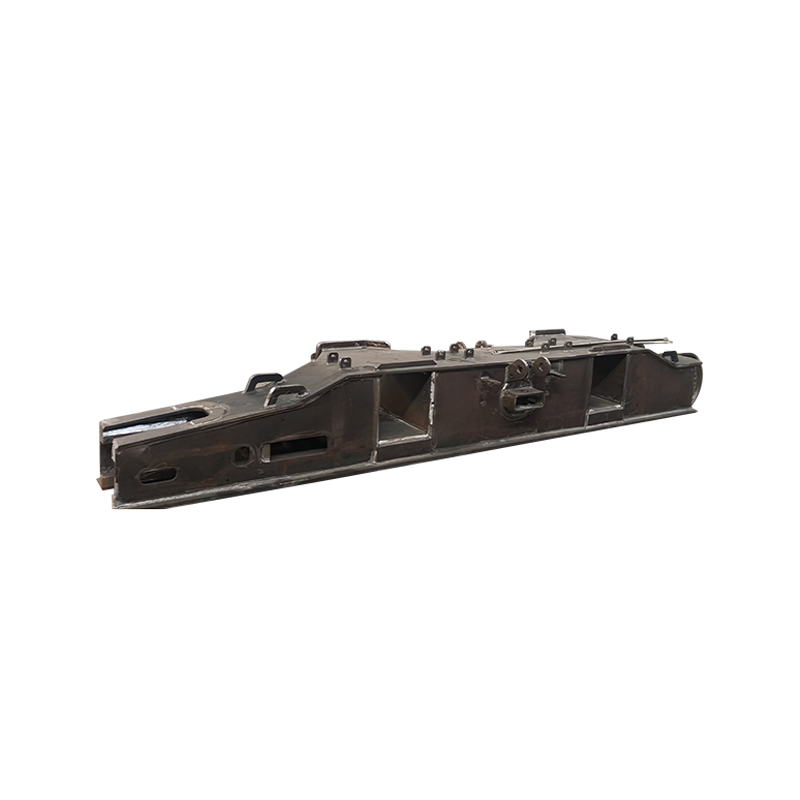
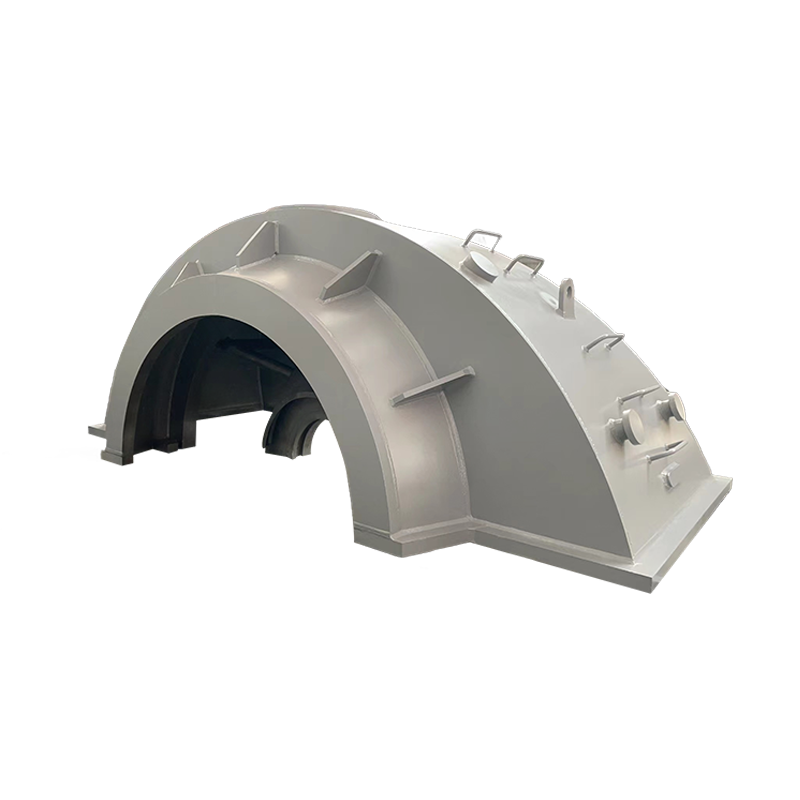
Coal mills are essential components in thermal power plants, cement factories, and other industries that rely on pulverized coal for combustion. At the heart of these mills are the Coal Mill Cylinder Carbon Steel Structural Parts, which form the main framework and support the grinding mechanisms. Ensuring their durability is crucial not only for operational efficiency but also for safety and maintenance planning. One of the most common concerns regarding these parts is corrosion resistance, especially given the harsh environments in which they operate.
Understanding Coal Mill Cylinder Carbon Steel Structural Parts
Before discussing corrosion resistance, it is important to understand what Coal Mill Cylinder Carbon Steel Structural Parts are and how they function:
- Structural Role: These parts form the skeleton of the coal mill, supporting the rotating grinding rollers, pulverizers, and other mechanical components.
- Material Selection: Carbon steel is commonly used due to its high strength, toughness, and relative affordability. It can withstand heavy loads and vibration, making it suitable for large industrial mills.
- Operational Environment: These parts are exposed to high temperatures, dust-laden air, and fluctuating moisture content from coal. This environment can accelerate wear and corrosion if proper preventive measures are not taken.
What Is Corrosion and Why It Matters
Corrosion is the gradual deterioration of a material due to chemical reactions with its environment. In the case of Coal Mill Cylinder Carbon Steel Structural Parts, corrosion can manifest as rusting, pitting, or surface degradation. Corrosion is a critical concern because:
- It weakens structural integrity, leading to potential mechanical failure.
- It increases maintenance costs and downtime.
- It may affect the precision and efficiency of the grinding process.
Factors Affecting Corrosion Resistance in Coal Mill Cylinder Carbon Steel Structural Parts
Several factors influence how susceptible these components are to corrosion:
1. Material Composition
Carbon steel inherently contains iron, which readily reacts with oxygen and moisture to form rust. The specific carbon content and presence of alloying elements like manganese or silicon can influence corrosion resistance. High-carbon steels are generally stronger but slightly less corrosion-resistant than low-carbon varieties.
2. Environmental Conditions
Coal mill environments are often humid, dusty, and sometimes acidic due to coal’s sulfur content. Moisture combined with oxygen accelerates the formation of iron oxides, particularly if the surface is unprotected. Temperature fluctuations can also create microcracks, allowing corrosive agents to penetrate deeper into the material.
3. Surface Finish and Protection
A smooth, well-coated surface resists corrosion better than a rough or damaged surface. Protective coatings such as paint, epoxy, or zinc plating create a barrier between the steel and environmental elements.
4. Operational Wear
Coal mill cylinders experience high friction and mechanical stress. As surfaces wear down, protective coatings may be compromised, exposing raw steel to corrosion. Abrasion from coal particles can further exacerbate surface degradation.

Enhancing Corrosion Resistance
Although carbon steel is not naturally as corrosion-resistant as stainless steel, several methods can enhance its longevity:
1. Protective Coatings
Applying a corrosion-resistant coating is one of the most effective strategies. Options include:
- Epoxy coatings: Provide a durable barrier against moisture and dust.
- Zinc or galvanizing layers: Sacrificially corrode instead of the steel.
- High-temperature paints: Useful in mills where heat exposure is significant.
2. Regular Maintenance
Routine inspection and maintenance are critical to identifying early signs of corrosion. Maintenance practices include:
- Cleaning dust and residues that trap moisture.
- Inspecting for cracks, pitting, or surface wear.
- Reapplying protective coatings as necessary.
3. Environmental Controls
Some power plants reduce corrosion risks by controlling ambient moisture and humidity around the mill. Proper ventilation and dust extraction systems can significantly lower the chance of moisture-related corrosion.
4. Material Upgrades
In cases of severe environmental exposure, upgrading to alloyed carbon steel or using stainless steel inserts for high-wear areas can improve resistance to corrosion without replacing the entire structure.
Signs of Corrosion in Coal Mill Cylinder Carbon Steel Structural Parts
Recognizing corrosion early allows for timely intervention. Common indicators include:
- Rust formation on surface areas.
- Pitting or localized holes on the steel.
- Discoloration or uneven surface texture.
- Cracks or flaking of protective coatings.
Ignoring these signs can lead to mechanical failure, higher maintenance costs, and potential safety hazards.
Practical Examples and Case Studies
Several industrial operations have reported the impact of corrosion on coal mill cylinders:
- Power Plants: High humidity and coal dust caused surface rusting in unprotected carbon steel cylinders. By applying high-temperature epoxy coatings and improving ventilation, the lifespan of the parts increased by several years.
- Cement Mills: Regular inspection and replacement of worn protective layers prevented pitting and structural weakening, reducing unexpected downtime.
- Coal Handling Units: Introducing alloyed carbon steel for critical structural components minimized corrosion where moisture and acidic residues were present.
These examples emphasize that while carbon steel is inherently vulnerable to corrosion, proper measures can effectively mitigate the risk.
Balancing Cost and Durability
One of the reasons Coal Mill Cylinder Carbon Steel Structural Parts remain widely used is the balance between cost and performance. Alternatives like stainless steel provide superior corrosion resistance but at significantly higher material and manufacturing costs. By combining carbon steel with protective measures, operators achieve a practical balance, ensuring operational reliability without excessive expenditure.
Conclusion
Coal Mill Cylinder Carbon Steel Structural Parts are a backbone of coal mill operations, and their resistance to corrosion is a critical aspect of their functionality. While carbon steel is naturally susceptible to rusting and surface degradation, the extent of corrosion can be effectively managed through:
- Protective coatings
- Regular inspection and maintenance
- Environmental control measures
- Material upgrades where necessary
Understanding these factors helps operators optimize the lifespan and performance of coal mill cylinders while maintaining safety and efficiency. With proper care, carbon steel structural parts can continue to serve reliably in demanding industrial environments, despite the inherent challenges of corrosion.