 +86-573-86868360
 Inquiry
 English
 Español
 عربى
عربى

Content
- 1 Understanding Heavy-Duty Carbon Steel Boiler Frame Components
- 2 Structural Integrity and Thermal Efficiency
- 3 Heat Retention and Energy Loss
- 4 Durability and Maintenance Considerations
- 5 Impact on Load Distribution and Stress Management
- 6 Integration with Advanced Boiler Systems
- 7 Economic Considerations and Lifecycle Efficiency
- 8 Conclusion
Boilers are critical components in many industrial and commercial applications, providing the necessary heat or steam for processes ranging from electricity generation to food production. While much attention is often placed on the boiler’s fuel type, burner system, and heat exchange mechanisms, the role of its structural components—particularly Heavy-Duty Carbon Steel Boiler Frame Components—is equally important in determining overall efficiency and longevity. Understanding how these components influence boiler performance can help operators make informed decisions about design, maintenance, and operation.
Understanding Heavy-Duty Carbon Steel Boiler Frame Components
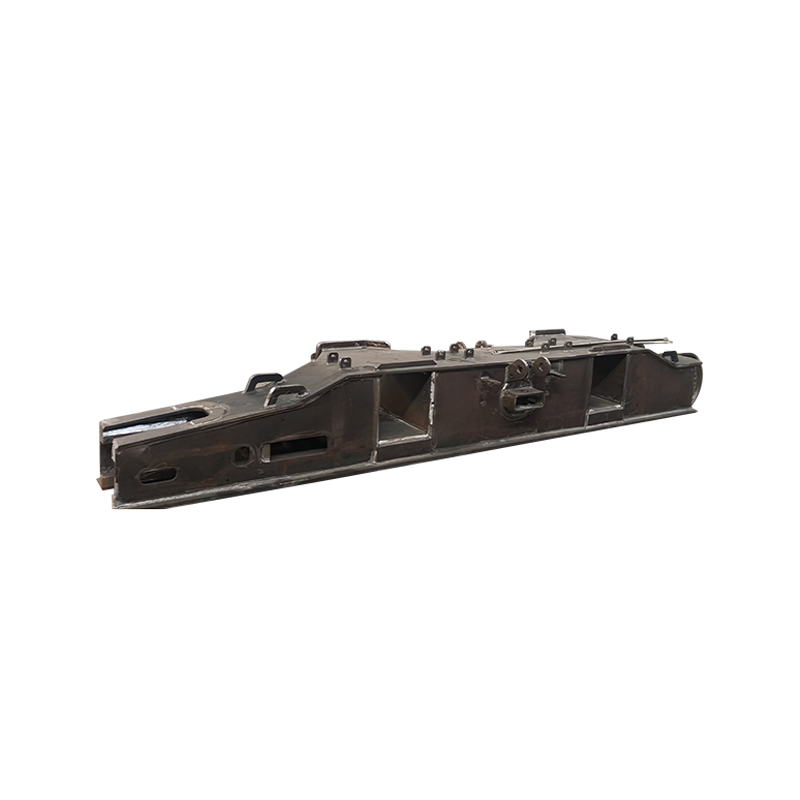
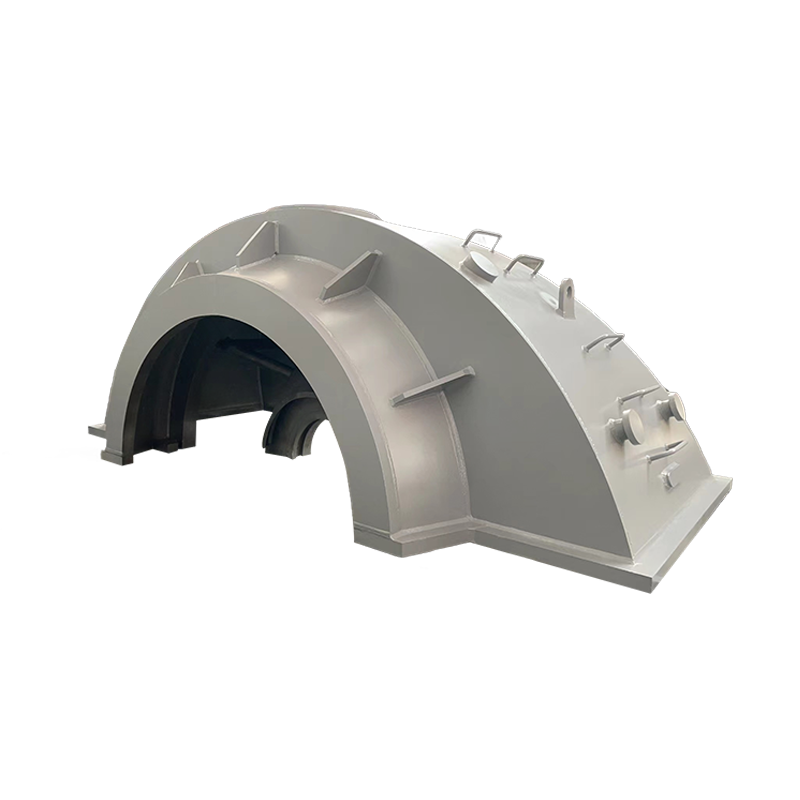
Heavy-Duty Carbon Steel Boiler Frame Components refer to the structural elements made from carbon steel that support the boiler body, pressure vessels, and associated systems. These components include frames, supports, mounts, and reinforcement structures that hold the boiler together while resisting the mechanical, thermal, and chemical stresses experienced during operation.
Carbon steel is chosen for these components because of its unique combination of strength, durability, and cost-effectiveness. Compared to other metals, carbon steel offers high tensile strength, resistance to fatigue, and the ability to withstand high temperatures, making it suitable for the heavy-duty demands of industrial boilers.
Structural Integrity and Thermal Efficiency
The most direct way Heavy-Duty Carbon Steel Boiler Frame Components influence boiler efficiency is through structural integrity. A boiler frame must maintain the correct alignment of tubes, burners, and other internal components. Misalignment caused by frame deformation or wear can reduce heat transfer efficiency by creating uneven heating, hotspots, or flow resistance. Even minor distortions in the frame can compromise the optimal transfer of heat from combustion gases to water or steam.
Moreover, a rigid, well-designed carbon steel frame reduces vibration and mechanical stress during operation. Vibration can cause premature wear on internal components, including heat exchangers and tubing, which can degrade performance over time. By minimizing these effects, heavy-duty frames help maintain consistent thermal performance, ultimately enhancing fuel efficiency.
Heat Retention and Energy Loss
While boiler frames themselves are not part of the combustion or heat transfer process, they indirectly affect energy efficiency through their influence on heat retention. Heavy-Duty Carbon Steel Boiler Frame Components provide a stable enclosure for insulation materials, helping to minimize heat loss. Boilers often operate at high temperatures, and even small inefficiencies in heat retention can translate into significant fuel consumption over time. A well-supported insulation system reduces energy loss, ensuring that more of the generated heat contributes to steam production rather than escaping into the environment.
Additionally, carbon steel’s thermal conductivity, while not as high as copper or aluminum, is sufficient to provide a balance between structural support and controlled heat transfer. This balance ensures that the frame can absorb and dissipate stress without excessive heat loss, further improving overall efficiency.
Durability and Maintenance Considerations
Boiler efficiency is not only determined by immediate performance but also by the long-term durability of its components. Heavy-Duty Carbon Steel Boiler Frame Components are designed to resist corrosion, fatigue, and thermal cycling. Corrosion or structural degradation can compromise both safety and efficiency by creating leaks, weakening supports, or altering alignment.
From a maintenance perspective, carbon steel frames are easier to inspect, repair, and reinforce than some alternative materials. Regular inspection and preventive maintenance ensure that the frame continues to provide optimal support, preventing minor issues from evolving into efficiency-reducing problems. This long-term reliability is a subtle but critical factor in maintaining high operational efficiency over the boiler’s lifespan.

Impact on Load Distribution and Stress Management
Heavy-duty carbon steel frames are engineered to distribute mechanical loads evenly across the boiler structure. Boilers experience varying pressures and thermal expansion during operation, and uneven load distribution can cause localized stress concentrations. These stress points may lead to deformation or failure, requiring downtime and repairs that reduce operational efficiency.
By providing a uniform load-bearing structure, Heavy-Duty Carbon Steel Boiler Frame Components ensure that internal components remain properly positioned. This contributes to consistent fluid flow, uniform heat exchange, and overall operational stability—all factors that directly influence efficiency.
Integration with Advanced Boiler Systems
Modern boiler systems often incorporate technologies such as economizers, superheaters, and advanced combustion controls. The effectiveness of these technologies depends not only on their design but also on the stability provided by the boiler frame. For example, an economizer relies on precise flow paths to capture residual heat from exhaust gases. If the frame shifts or vibrates excessively, these flow paths can be disrupted, reducing heat recovery and fuel efficiency.
Similarly, precise alignment supported by carbon steel frames enhances the performance of superheaters, which require controlled exposure to high-temperature gases to optimize steam production. In essence, the frame serves as the backbone that enables advanced efficiency-enhancing components to function as intended.
Economic Considerations and Lifecycle Efficiency
Investing in Heavy-Duty Carbon Steel Boiler Frame Components can have a significant impact on the total cost of ownership. While initial material costs may be higher than using lighter or lower-grade materials, the long-term benefits include reduced maintenance, fewer replacements, and consistent fuel efficiency. The durability and strength of carbon steel frames reduce the risk of unplanned downtime, which can be costly in industrial operations.
Furthermore, by supporting optimal thermal performance and minimizing energy loss, these components indirectly contribute to operational savings. Over the lifespan of a boiler, even small efficiency improvements can translate into substantial reductions in fuel consumption and emissions.
Conclusion
Heavy-Duty Carbon Steel Boiler Frame Components play a crucial, albeit often overlooked, role in boiler efficiency. By providing structural integrity, minimizing vibration, supporting insulation, distributing mechanical loads, and enabling advanced boiler technologies, these components ensure that boilers operate safely, reliably, and efficiently.
Their durability and strength contribute to consistent performance over time, reducing maintenance needs and energy losses. For operators and engineers seeking to optimize boiler performance, attention to the quality, design, and maintenance of these frame components is as important as the choice of fuel or heat exchange technology.
In short, while boilers are complex systems with many efficiency-determining factors, the role of Heavy-Duty Carbon Steel Boiler Frame Components is foundational. Without a solid structural backbone, even the most advanced boilers cannot achieve their full efficiency potential.