 +86-573-86868360
 Inquiry
 English
 Español
 عربى
عربى

Content
Understanding General Equipment Steel Structure Components
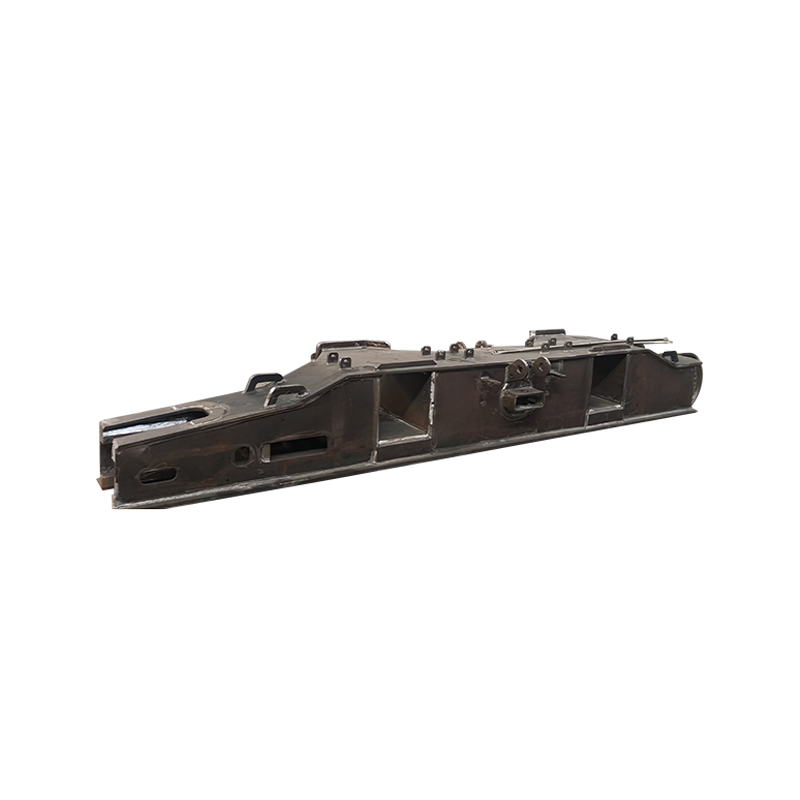
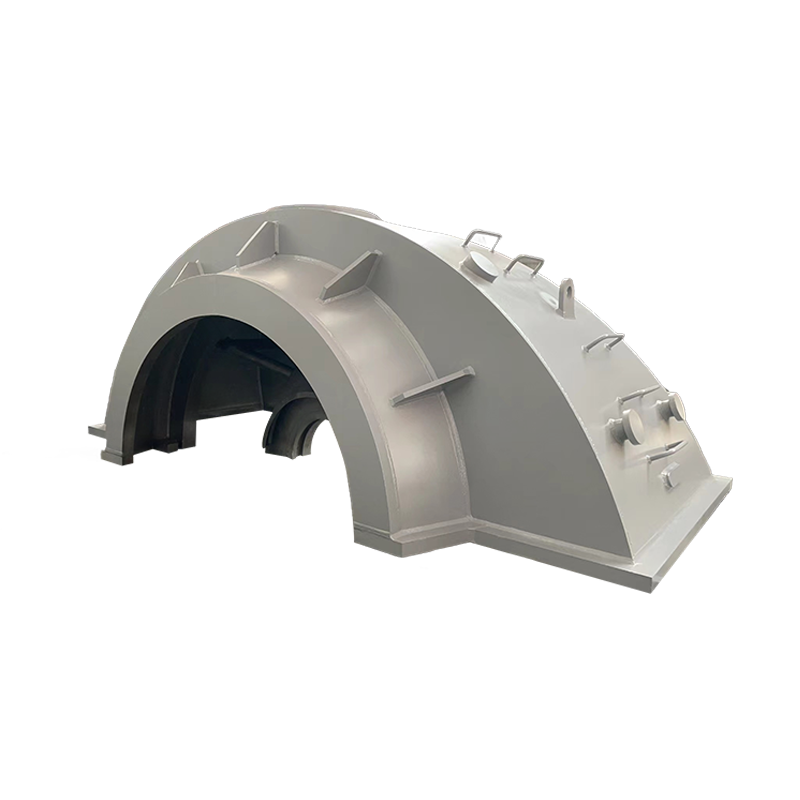
General equipment steel structure components form the backbone of modern industrial facilities, supporting machinery, storage, and processing systems. These components are typically made of high-strength carbon steel or alloy steel and are engineered to withstand heavy loads, vibration, and environmental stresses. Understanding their properties and applications is essential for ensuring the safety and efficiency of industrial operations.
Key components include beams, columns, trusses, and bracing elements. Each element is designed based on specific load requirements, spatial constraints, and compatibility with mechanical equipment. Choosing the right steel grade, thickness, and connection method directly impacts the longevity and performance of the entire structure.
Material Selection and Design Considerations
Selecting the appropriate material for steel structure components is a critical step in the design process. The most commonly used materials include:
- Carbon Steel: Widely used due to cost-effectiveness and ease of fabrication.
- Alloy Steel: Offers higher strength and durability for heavy-duty applications.
- Stainless Steel: Provides superior corrosion resistance, suitable for chemical or outdoor environments.
During the design stage, engineers must consider load distribution, seismic requirements, thermal expansion, and vibration damping. Modern CAD and structural analysis software can simulate these factors, helping designers optimize the component dimensions and connections for maximum safety and efficiency.
Fabrication Techniques for Steel Structure Components
Steel structure fabrication involves cutting, welding, bolting, and surface treatment processes. Each technique plays a vital role in ensuring the precision and strength of the final component.
Cutting and Shaping
High-precision CNC machines or plasma cutters are often used to cut steel plates and sections to exact dimensions. Accurate cutting reduces material waste and ensures seamless assembly during installation.
Welding and Joining
Welding methods such as MIG, TIG, and arc welding are used to join beams, trusses, and braces. Proper welding ensures structural integrity, while inspection techniques like ultrasonic testing help detect hidden flaws.
Surface Treatment
Protective coatings, galvanization, or painting are applied to steel components to prevent rust and corrosion. In industrial environments where moisture, chemicals, or temperature variations are common, these treatments are essential for long-term durability.
Installation and Structural Optimization
Proper installation of steel structure components ensures safety and functionality. Components must be accurately aligned, leveled, and securely fastened to foundation plates or existing structures. Bolted connections allow easier maintenance, while welded connections provide a permanent and rigid solution.
Structural optimization can be achieved by:
- Using lighter yet stronger steel grades to reduce material cost.
- Implementing modular designs for flexibility and future expansion.
- Incorporating bracing systems to improve load distribution and seismic resistance.
Maintenance and Lifecycle Management
Routine maintenance is crucial for prolonging the service life of steel structure components. Key practices include:
- Periodic inspection for corrosion, cracks, or loose bolts.
- Repainting or recoating surfaces exposed to harsh conditions.
- Lubricating movable joints and checking for misalignment.
- Implementing structural health monitoring systems for real-time data on stress and strain.
Effective maintenance not only prevents failures but also reduces downtime, which is particularly critical for industrial facilities relying on continuous operations.
Common Applications in Industrial Facilities
General equipment steel structure components are widely used across industries for supporting heavy machinery and storage systems. Typical applications include:
- Manufacturing plants: Supporting conveyor systems, cranes, and production lines.
- Warehouses: Forming storage racks, mezzanine floors, and overhead platforms.
- Energy facilities: Supporting piping networks, turbines, and heavy equipment.
- Chemical plants: Ensuring structural integrity in corrosive environments.
To assist engineers and planners, the following table summarizes typical steel grades, their applications, and recommended thickness ranges:
| Steel Grade | Primary Application | Recommended Thickness |
| Q235 / S235 | General frames, columns, beams | 6–20 mm |
| Q345 / S355 | Heavy-duty machinery support, crane girders | 8–25 mm |
| Stainless Steel 304/316 | Corrosion-prone areas, chemical plants | 5–15 mm |
Conclusion
General equipment steel structure components are indispensable for modern industrial facilities. From careful material selection and precision fabrication to strategic installation and maintenance, every step impacts performance, safety, and lifespan. By understanding the practical applications, engineers can design robust structures that support complex machinery and withstand demanding operational conditions. Optimizing these components ensures both operational efficiency and long-term cost savings.