 +86-573-86868360
 Inquiry
 English
 Español
 عربى
عربى

Content
Understanding Pipe Jacking Machine Steel Structure Components
Pipe jacking machine is essential in modern trenchless construction, particularly for installing underground pipelines. The steel structure components of these machines provide the critical support and rigidity required to handle significant loads during operation. These components not only influence the machine's durability but also impact operational accuracy, safety, and maintenance costs.
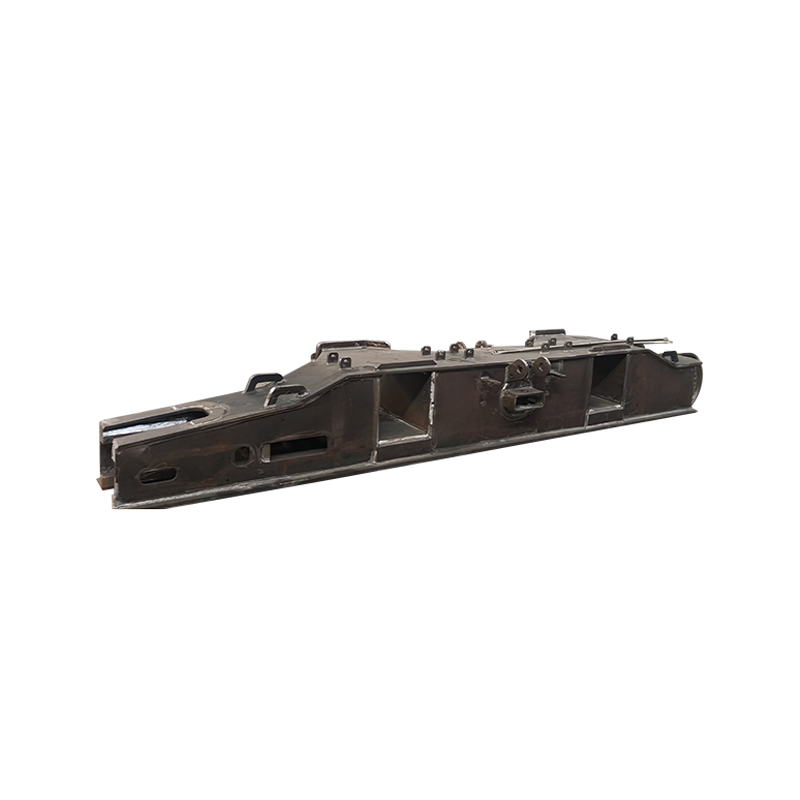
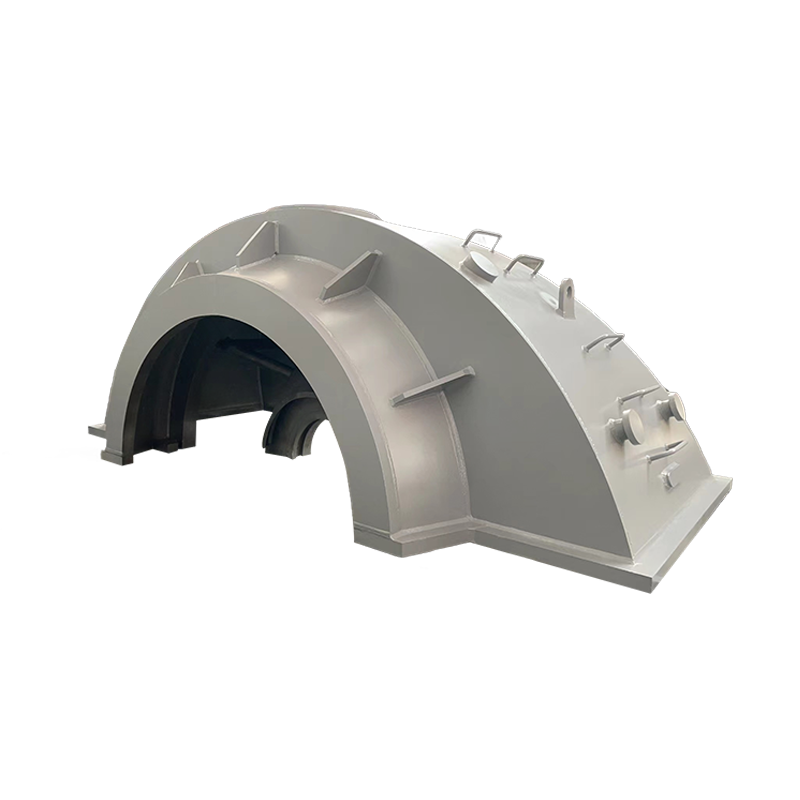
Key steel structure components include the mainframe, thrust frame, jacking frames, and guide rails. Each part is fabricated with high-strength steel alloys to resist deformation under heavy loads. Selecting appropriate steel grades, such as Q345B or equivalent, ensures the components withstand both static and dynamic stresses during pipe jacking operations.
Main Steel Components of Pipe Jacking Machines
Mainframe
The mainframe acts as the backbone of the pipe jacking machine. It supports the cutting head, hydraulic systems, and jacking cylinders. A robust mainframe reduces vibration and ensures accurate alignment during tunneling. Welding and bolting techniques are commonly used to assemble this frame, ensuring long-term stability and ease of maintenance.
Thrust Frame
Thrust frames generate the pushing force necessary for the machine to advance through soil or rock. These frames must withstand high axial loads while maintaining precise alignment. Hydraulic cylinders connected to the thrust frame convert fluid pressure into mechanical force, pushing the pipe segments forward efficiently.
Jacking Frames and Guide Rails
Jacking frames and guide rails maintain the linear motion of the pipe jacking machine. Proper installation of guide rails minimizes lateral deviations and ensures smooth operation. Steel guide rails are often treated with anti-corrosion coatings to extend service life, especially in underground environments prone to moisture.
Material Selection for Steel Structure Components
Material selection plays a crucial role in the durability and efficiency of pipe jacking machines. High-strength low-alloy steels are preferred for structural components due to their excellent fatigue resistance and weldability. Corrosion resistance is another important factor, as components may be exposed to groundwater or chemical reactions from soil.
Common steel grades and treatments include:
- Q345B steel for mainframes and jacking frames
- Stainless steel inserts for guide rails in corrosive environments
- Heat-treated steel for hydraulic cylinder mounts and thrust components
Assembly Techniques and Best Practices
The assembly of steel structure components must follow strict alignment and welding standards. Improper assembly can lead to excessive vibration, misalignment of pipelines, and premature wear. It is crucial to use precision jigs, torque-controlled fasteners, and certified welding procedures to maintain structural integrity.
Recommended practices include:
- Aligning the thrust frame and guide rails using laser measurement tools
- Using gusset plates to reinforce stress concentration areas
- Conducting non-destructive testing (NDT) on welded joints
Maintenance and Inspection Strategies
Routine maintenance of steel structure components ensures long-term performance and reduces operational downtime. Regular inspection should focus on signs of fatigue, corrosion, and deformation. Lubrication of moving parts and periodic tightening of fasteners are essential to maintain alignment and prevent mechanical failures.
A structured maintenance checklist could include:
| Component | Inspection Frequency | Key Checks |
| Mainframe | Monthly | Cracks, weld integrity, paint coating condition |
| Thrust Frame | Monthly | Hydraulic cylinder wear, alignment, corrosion |
| Guide Rails | Weekly | Surface wear, lubrication, straightness |
| Jacking Frames | Weekly | Fastener tightness, structural integrity, corrosion |
Optimizing Performance of Steel Components
Optimizing the performance of pipe jacking machines involves both design improvements and operational adjustments. Advanced steel treatments, such as surface hardening or anti-corrosion coatings, can extend the lifespan of components. Additionally, monitoring systems like load sensors can detect excessive stress on steel parts, allowing proactive maintenance.
Other optimization strategies include:
- Regular alignment calibration of guide rails and thrust frames
- Reducing vibration through reinforced gussets and vibration-damping mounts
- Upgrading hydraulic cylinder materials to reduce wear under high loads
Conclusion
Pipe jacking machine steel structure components are critical to the machine's performance, safety, and lifespan. By focusing on proper material selection, precise assembly, regular maintenance, and performance optimization, construction professionals can ensure efficient and reliable tunneling operations. Investing in high-quality steel components ultimately reduces downtime, maintenance costs, and operational risks.