 +86-573-86868360
 Inquiry
 English
 Español
 عربى
عربى

Content
- 1 Key Conclusion: Why Steel Structure Components Determine Pipe Jacking Performance
- 2 Core Steel Structure Components in Pipe Jacking Machines
- 3 Material Selection and Mechanical Performance Requirements
- 4 Structural Design Principles for Load Stability
- 5 Fabrication and Welding Quality Requirements
- 6 Installation Accuracy and Alignment Control
- 7 Maintenance Strategies and Lifecycle Optimization
Key Conclusion: Why Steel Structure Components Determine Pipe Jacking Performance
Pipe jacking machines operate under extreme underground pressure, continuous thrust loads, and complex soil resistance. The steel structure components form the primary load-bearing framework that ensures alignment accuracy, operational safety, and long service life. A well-designed steel structure directly determines thrust transmission efficiency, structural stability, and tunneling precision, making it one of the most critical engineering factors in trenchless construction projects.
In practical engineering applications, structural failure rarely originates from hydraulic or electrical systems; instead, deformation, weld fatigue, or insufficient rigidity in steel assemblies often causes misalignment or downtime. Proper material selection, fabrication quality, and stress distribution design can reduce structural deformation by more than 20–35% during long-distance pipe jacking operations.
Core Steel Structure Components in Pipe Jacking Machines
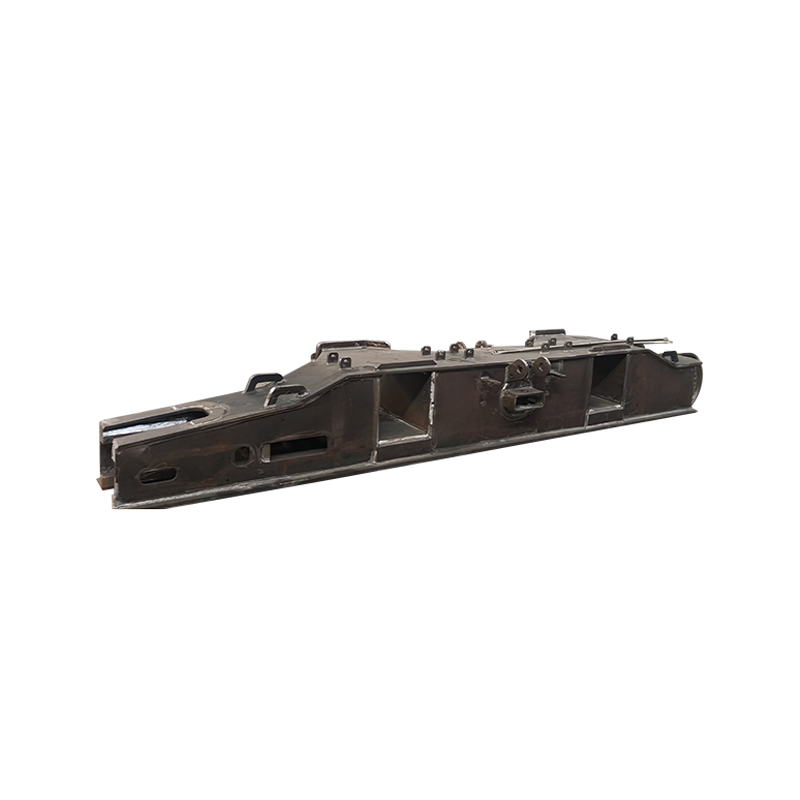
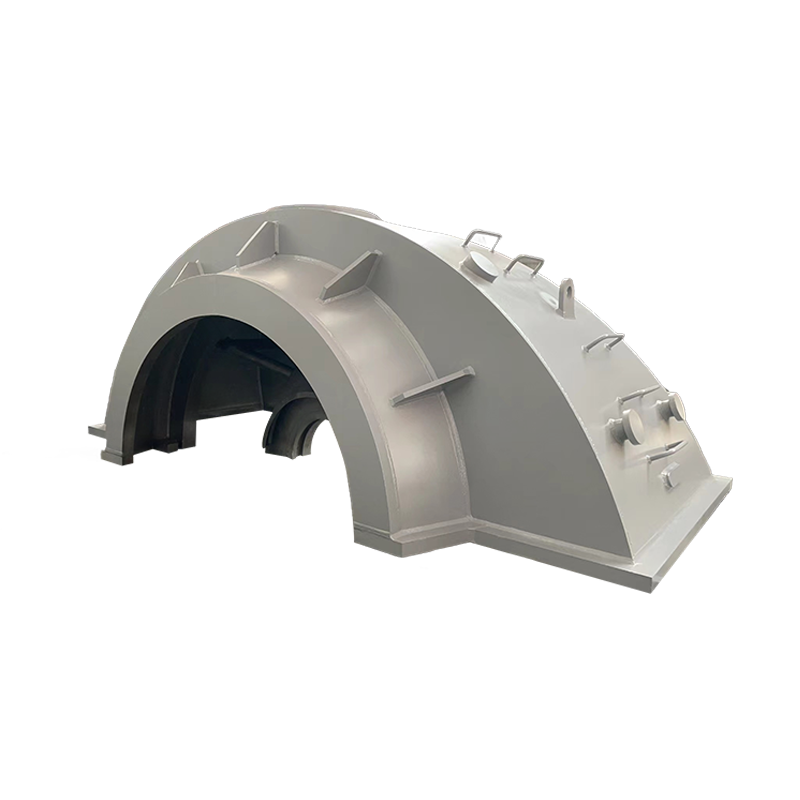
The steel framework of a pipe jacking machine consists of several integrated assemblies designed to transfer thrust forces and maintain geometric stability throughout excavation.
Main Structural Assemblies
- Shield body structure — supports cutterhead systems and protects internal equipment.
- Thrust frame — transfers hydraulic jacking force evenly to pipeline segments.
- Bearing and support frames — maintain rotational stability and axial alignment.
- Segment connection structures — ensure load continuity between pipe sections.
- Rear support and guidance structures — prevent deviation during long drives.
These components must work as a unified structural system. Even small dimensional deviations (typically exceeding ±2 mm) can accumulate over long tunneling distances and significantly affect alignment accuracy.
Material Selection and Mechanical Performance Requirements
Steel used in pipe jacking machine structures must withstand high compressive forces, cyclic fatigue, abrasion, and corrosion from groundwater and soil chemicals. Engineers typically prioritize strength-to-weight ratio and weldability.
| Material Grade | Yield Strength (MPa) | Typical Application | Advantages |
|---|---|---|---|
| Q345 / S355 | ≥345 | Shield shells & frames | Good weldability and toughness |
| High-strength alloy steel | ≥690 | High-load thrust areas | Reduced deformation |
| Wear-resistant steel | Variable | Abrasion zones | Extended service life |
Selecting higher-strength steel can reduce plate thickness by 10–18%, lowering overall machine weight while maintaining structural rigidity.
Structural Design Principles for Load Stability
Steel structure design focuses on managing axial thrust forces that may exceed several thousand tons in large-diameter pipe jacking projects. Effective structural engineering prevents localized stress concentration.
Key Engineering Considerations
- Uniform load transfer paths between hydraulic jacks and pipe segments.
- High torsional stiffness to resist uneven soil pressure.
- Reinforced rib structures to reduce plate buckling.
- Fatigue-resistant weld geometry for repeated loading cycles.
Finite element analysis (FEA) is commonly used during design. Simulations show that optimized rib placement can reduce peak stress by 15–25%, significantly improving durability in long-distance drives exceeding 500 meters.
Fabrication and Welding Quality Requirements
Manufacturing accuracy has a direct impact on operational alignment. Steel components typically undergo CNC cutting, precision rolling, and controlled welding procedures to maintain dimensional tolerance.
Critical Fabrication Controls
- Automated welding to minimize human-induced distortion.
- Post-weld stress relief treatments.
- Ultrasonic or radiographic weld inspection.
- Dimensional verification using laser measurement systems.
High-quality welding reduces fatigue crack probability dramatically. Field statistics indicate that over 70% of structural failures in heavy tunneling equipment originate from weld defects rather than material strength limitations.
Installation Accuracy and Alignment Control
Even perfectly manufactured components can underperform if installation alignment is incorrect. The steel structure must maintain strict geometric relationships during assembly inside launch shafts.
- Alignment deviation typically controlled within ±1–2 mm.
- Laser guidance systems verify axial positioning.
- Uniform bolt preload prevents uneven stress distribution.
- Sequential tightening reduces structural distortion.
Accurate alignment minimizes friction resistance between pipe segments and surrounding soil, improving jacking efficiency and reducing energy consumption during operation.
Maintenance Strategies and Lifecycle Optimization
Steel structure longevity depends heavily on inspection and preventive maintenance. Regular monitoring prevents small defects from evolving into costly structural failures.
Recommended Maintenance Practices
- Periodic inspection of weld seams for fatigue cracks.
- Corrosion protection renewal in groundwater environments.
- Measurement of deformation at high-load structural zones.
- Replacement of worn reinforcement plates before structural weakening occurs.
With proper maintenance, steel structural components can maintain operational reliability for more than 10–15 years, significantly lowering lifecycle costs compared with reactive repair strategies.