 +86-573-86868360
 Inquiry
 English
 Español
 عربى
عربى

Content
- 1 Core Answer: What General Equipment Steel Structure Components Do
- 2 Main Types of Steel Structure Components in General Equipment
- 3 Common Materials and Their Performance Differences
- 4 Design Considerations That Directly Affect Performance
- 5 Fabrication and Assembly Practices for Reliable Structures
- 6 Typical Industrial Applications and Practical Examples
- 7 Maintenance Strategies to Extend Service Life
Core Answer: What General Equipment Steel Structure Components Do
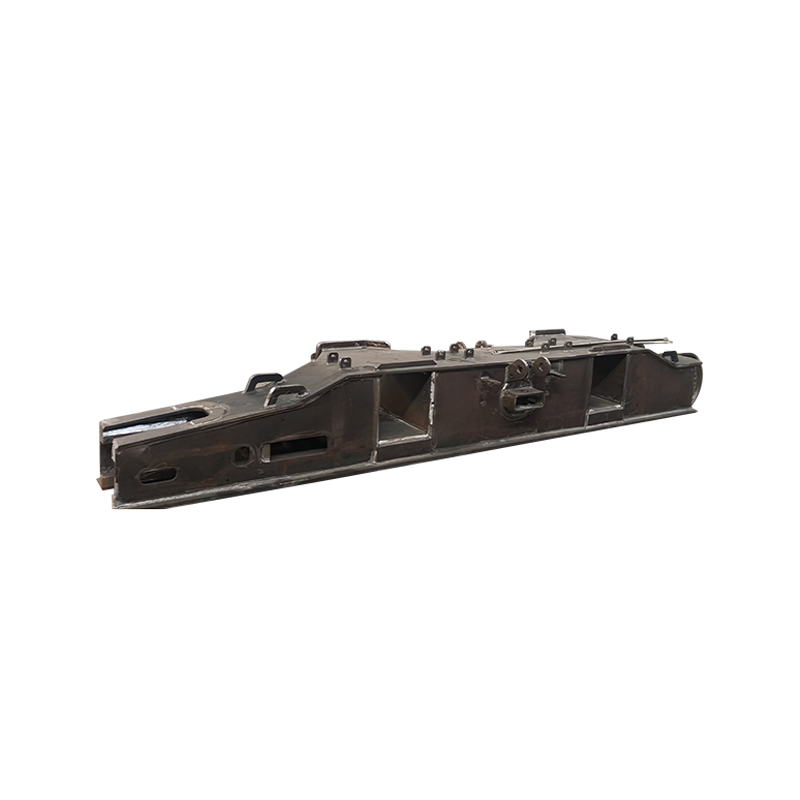
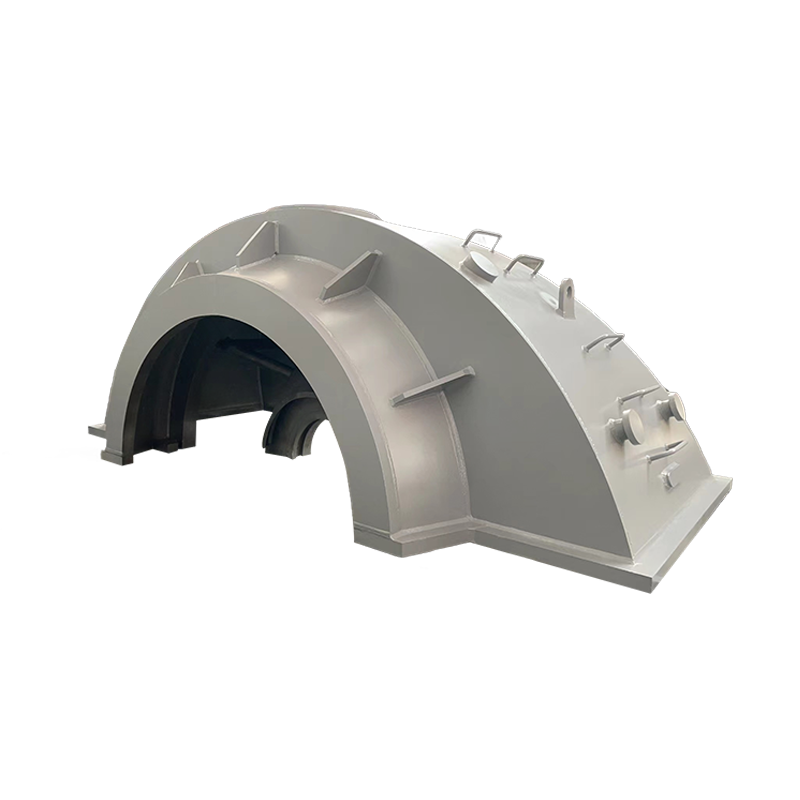
General equipment steel structure component form the load-bearing and support framework used in industrial machinery, processing systems, and auxiliary facilities. Their primary role is to provide structural stability, distribute operational loads, resist vibration, and ensure long-term equipment safety. Properly designed components improve installation efficiency, reduce maintenance frequency, and extend equipment service life.
In practical engineering environments, these components support equipment such as conveyors, tanks, pumps, boilers, and production lines. A well-designed steel structure can reduce deformation by over 30% under dynamic loads compared with poorly reinforced assemblies, directly influencing operational reliability and downtime costs.
Main Types of Steel Structure Components in General Equipment
Steel structure systems are composed of multiple functional elements working together. Each component serves a specific mechanical or installation purpose.
Load-Bearing Structural Members
- Steel columns supporting vertical equipment loads
- Main beams transferring weight across spans
- Cross beams stabilizing distributed machinery loads
Connection and Reinforcement Components
- Gusset plates for stress distribution
- Bracing systems improving lateral rigidity
- Anchor bolts fixing structures to foundations
Equipment Interface Structures
- Equipment platforms and maintenance walkways
- Mounting frames for motors and pumps
- Support racks for piping and cable systems
Common Materials and Their Performance Differences
Material selection determines strength, corrosion resistance, and fabrication cost. Engineers typically choose steel grades based on environmental exposure and load requirements.
| Material | Yield Strength (MPa) | Advantages | Typical Application |
|---|---|---|---|
| Q235 Carbon Steel | 235 | Low cost, easy welding | Light-duty equipment frames |
| Q355 Structural Steel | 355 | High strength-to-weight ratio | Industrial platforms and heavy supports |
| Stainless Steel 304 | 215 | Corrosion resistance | Food and chemical equipment |
For example, upgrading from Q235 to Q355 steel can reduce structural weight by approximately 15–20% while maintaining the same load capacity, improving transport and installation efficiency.
Design Considerations That Directly Affect Performance
Effective steel structure design balances strength, vibration resistance, manufacturability, and maintenance accessibility. Several engineering factors must be evaluated simultaneously.
- Load analysis: static weight, dynamic vibration, wind loads, and operational impact forces
- Deflection control: excessive deformation can misalign rotating equipment
- Connection design: bolted joints allow maintenance flexibility while welded joints increase rigidity
- Corrosion allowance: coatings or galvanization extend service life in humid or chemical environments
Industrial case studies show that vibration-related failures account for nearly 25% of premature equipment structure damage, highlighting the importance of stiffness and resonance analysis during design.
Fabrication and Assembly Practices for Reliable Structures
Manufacturing accuracy directly influences installation speed and structural performance. Modern fabrication emphasizes precision and modularization.
Key Fabrication Steps
- CNC cutting for dimensional accuracy
- Controlled welding to reduce residual stress
- Surface treatment such as shot blasting or galvanizing
- Pre-assembly inspection before delivery
Prefabricated modular steel components can reduce on-site installation time by 30–50%, especially for equipment platforms and production line structures.
Typical Industrial Applications and Practical Examples
General equipment steel structure components appear across multiple industries due to their adaptability and strength.
- Power plants — boiler supports and maintenance platforms
- Manufacturing factories — conveyor and automation equipment frames
- Petrochemical facilities — pipe racks and pump bases
- Warehousing systems — elevated machinery and mezzanine structures
In automated production lines, optimized steel support frames can improve equipment alignment accuracy by up to 40%, reducing mechanical wear and improving production consistency.
Maintenance Strategies to Extend Service Life
Even robust steel structures require periodic inspection to maintain safety and performance. Preventive maintenance significantly reduces lifecycle costs.
- Routine inspection of weld seams and bolted connections
- Recoating surfaces every 5–8 years in corrosive environments
- Monitoring vibration levels near rotating machinery
- Checking foundation settlement and alignment
Facilities implementing scheduled inspections typically achieve service lifespans exceeding 20–30 years for structural components without major replacement.