 +86-573-86868360
 Inquiry
 English
 Español
 عربى
عربى

Content
- 1 Role of Carbon Steel Structural Parts in Jaw Crushers
- 2 Common Carbon Steel Grades Used for Structural Components
- 3 Key Structural Parts Made from Carbon Steel
- 4 Design Considerations for Carbon Steel Structural Parts
- 5 Manufacturing and Heat Treatment Practices
- 6 Performance Advantages and Limitations
- 7 Inspection, Maintenance, and Service Life
- 8 Practical Tips for Selecting Carbon Steel Structural Parts
Jaw crushers rely heavily on their structural parts to maintain stability, alignment, and long-term crushing performance. Among the available material choices, carbon steel remains one of the most widely used options for jaw crusher structural components. Its balance of strength, toughness, machinability, and cost makes it suitable for frames, side plates, toggle seats, and other load-bearing elements. This article focuses specifically on jaw crusher carbon steel structural parts, examining how they are designed, manufactured, and maintained in real-world crushing operations.
Role of Carbon Steel Structural Parts in Jaw Crushers
Structural parts form the backbone of a jaw crusher. They support crushing forces, maintain geometric accuracy, and ensure that wear parts such as jaw plates function correctly. Carbon steel structural components are typically used where high static and dynamic loads are present but extreme abrasion is not the primary concern.
In practice, these parts must absorb vibration from the eccentric shaft, resist fatigue cracking from repeated load cycles, and maintain dimensional stability under varying operating temperatures. Carbon steel, when properly selected and processed, offers sufficient yield strength and toughness to meet these requirements without excessive brittleness.
Common Carbon Steel Grades Used for Structural Components
Not all carbon steels perform the same in jaw crusher applications. The choice of grade depends on crusher size, crushing force, and operating conditions. Medium-carbon steels are often favored for their balance between strength and ductility.
| Carbon Steel Grade | Typical Carbon Content | Common Structural Use |
| Q235 / ASTM A36 | 0.14–0.22% | Frames, supports |
| 45# / AISI 1045 | ~0.45% | Side plates, toggle seats |
| 50# Carbon Steel | ~0.50% | High-load structural parts |
Lower-carbon steels are easier to weld and form, while higher-carbon steels provide greater strength but require stricter heat treatment and welding control.
Key Structural Parts Made from Carbon Steel
Several major jaw crusher components are typically manufactured from carbon steel. Each part has different load characteristics and design considerations.
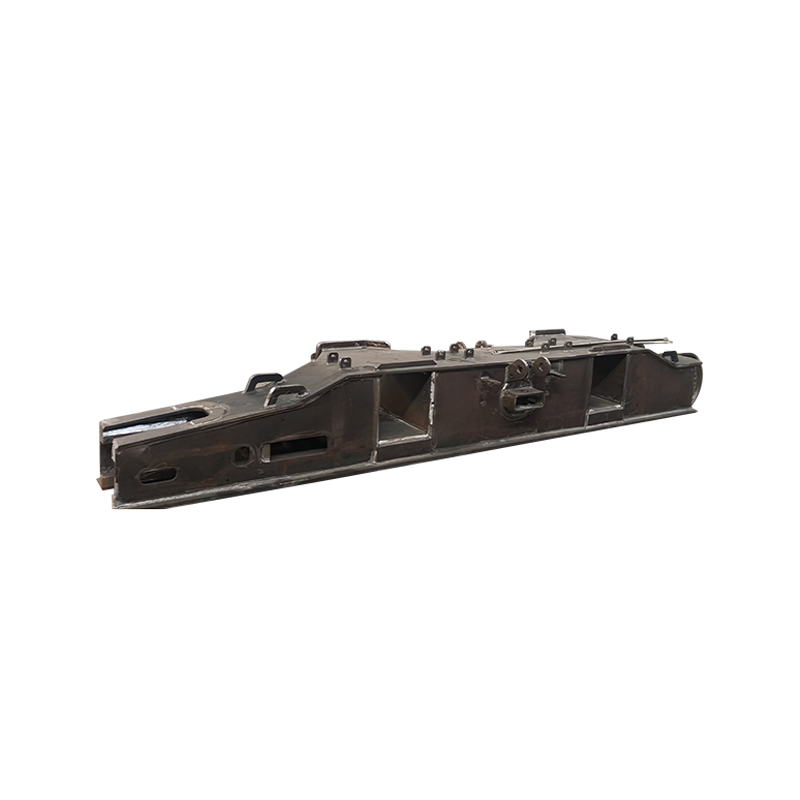
- Main frame: Provides overall rigidity and alignment for the crusher, often fabricated from welded carbon steel plates.
- Side plates: Support the crushing chamber and withstand lateral forces generated during crushing.
- Toggle seat and toggle plate supports: Transfer crushing force and protect the crusher from overload.
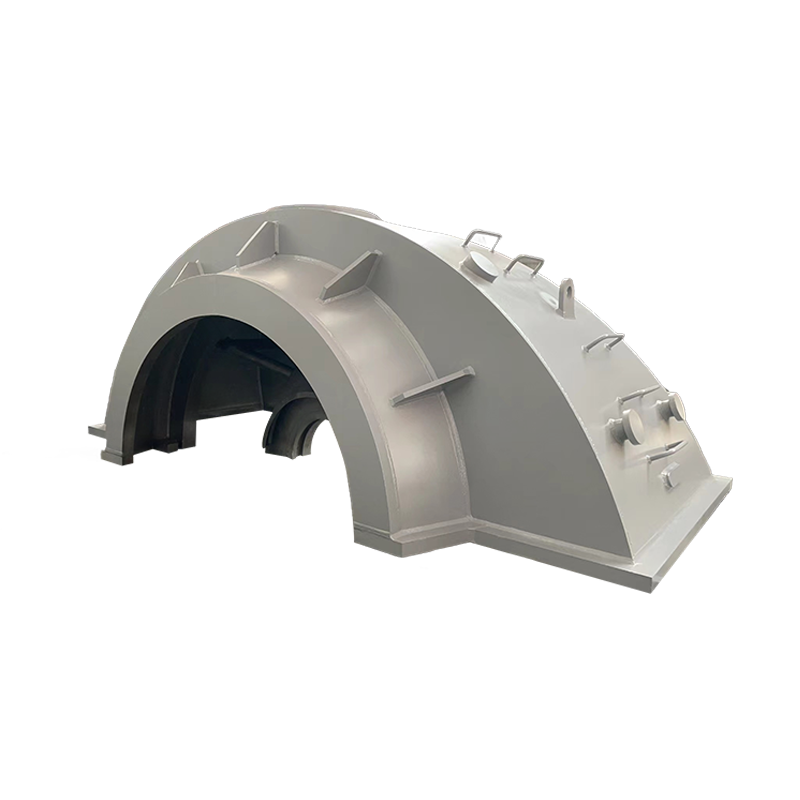
- Bearing housings: Maintain shaft alignment and absorb dynamic loads from the eccentric motion.
These components are not exposed to direct crushing abrasion but must maintain integrity under constant mechanical stress.
Design Considerations for Carbon Steel Structural Parts
Effective design of jaw crusher carbon steel structural parts focuses on stress distribution and fatigue resistance. Sharp corners and sudden section changes are avoided to reduce stress concentration. Instead, fillets and gradual transitions are introduced into the design.
Load Path and Reinforcement
Engineers analyze how crushing forces travel through the structure, reinforcing areas around bearings, toggle seats, and frame joints. Carbon steel plates may be thickened locally or stiffened with ribs to prevent deformation.
Weldability and Assembly
Since many frames are welded assemblies, the selected carbon steel must allow reliable welding without excessive cracking. Preheating, controlled cooling, and post-weld stress relief are often applied for medium-carbon steels.
Manufacturing and Heat Treatment Practices
Manufacturing quality directly affects the service life of structural parts. Carbon steel components may be cast, forged, or fabricated from rolled plates, depending on size and complexity.
Heat treatment is commonly applied to improve mechanical properties. Normalizing can refine grain structure, while quenching and tempering increase strength and toughness for high-load parts such as toggle seats.
Performance Advantages and Limitations
Carbon steel structural parts offer predictable performance and reasonable cost, making them suitable for most standard jaw crusher applications. Their toughness helps absorb shock loads during crushing of hard or uneven feed material.
However, carbon steel has limited corrosion resistance and lower fatigue strength compared to some alloy steels. In highly corrosive or extremely high-load environments, additional surface treatment or alternative materials may be required.
Inspection, Maintenance, and Service Life
Regular inspection of carbon steel structural parts helps prevent unexpected failures. Visual checks for cracks around welds, bearing seats, and high-stress areas are essential. Non-destructive testing methods such as magnetic particle inspection can identify early fatigue damage.
Proper maintenance, including bolt tightening, alignment checks, and vibration control, significantly extends the service life of these components.
Practical Tips for Selecting Carbon Steel Structural Parts
When selecting or replacing jaw crusher carbon steel structural parts, it is important to match material grade, manufacturing quality, and design specifications to the actual operating conditions. Avoid using overly low-grade steel in high-load zones, as this can lead to premature deformation or cracking.
Clear documentation, material certificates, and proper fabrication standards ensure that structural parts provide stable support for the crusher throughout its operating life.