 +86-573-86868360
 Inquiry
 English
 Español
 عربى
عربى

Content
- 1 Understanding Mining Machinery Steel Structure Components
- 2 Core Design Principles for Steel Structure Components
- 3 Fabrication Techniques and Standards
- 4 Inspection and Testing Protocols
- 5 Practical Installation and Field Challenges
- 6 Maintenance Strategies to Prolong Structural Life
- 7 Comparative Material & Cost Table
- 8 Closing Practical Recommendations
Understanding Mining Machinery Steel Structure Components
Mining machinery steel structure components are the backbone of equipment such as crushers, conveyors, draglines, and drills. These components serve load‑bearing, motion‑supporting, and protection functions. High operational loads, abrasive environments, and cyclic repetitive stresses demand exacting standards in structural design and fabrication. Without optimized steel structure components, equipment failure, costly downtime, or catastrophic breakdowns can occur in mining operations.
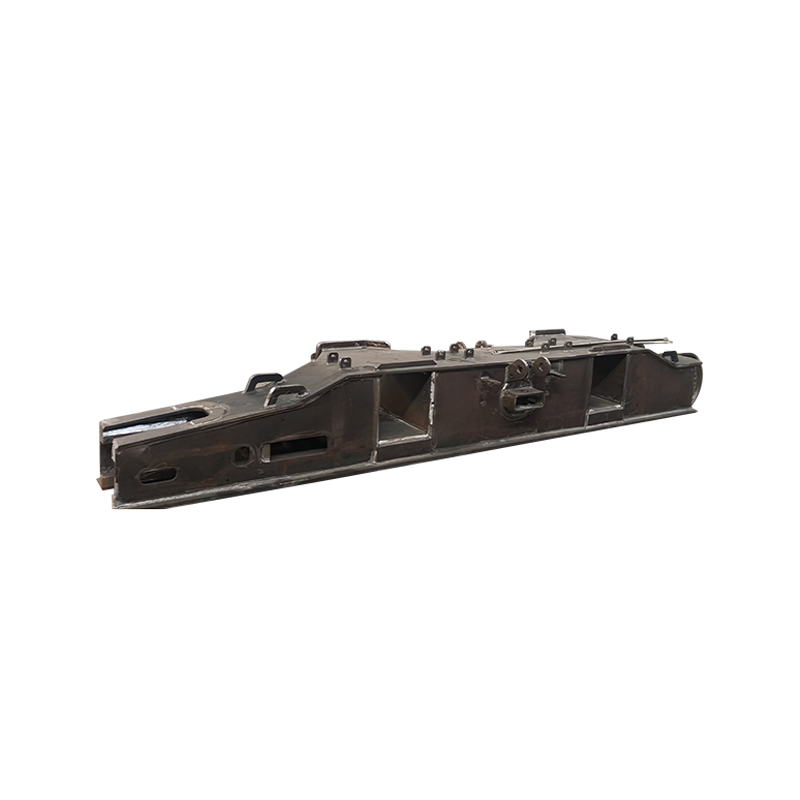
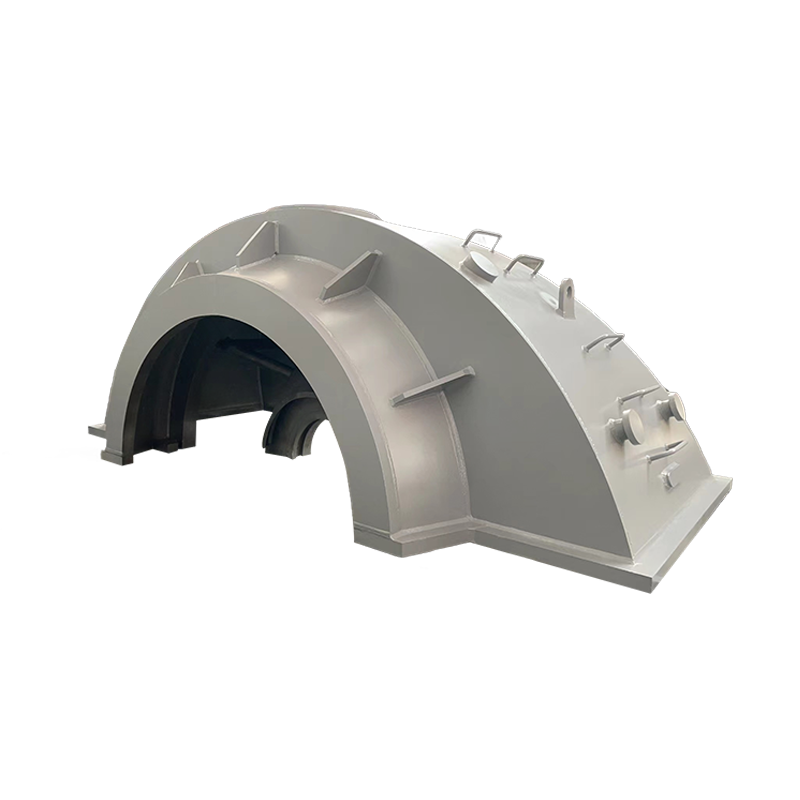
In practical terms, these steel components include machine frames, support beams, brackets, housings, reinforcement ribs, and baseplates. Each must be engineered to resist bending, torsion, impact shock, and corrosion. The choice of steel grade, welding method, and fabrication process directly influences life expectancy and performance.
Core Design Principles for Steel Structure Components
Load Analysis and Structural Requirements
Design begins with a comprehensive load analysis. Mining equipment is subject to static loads (weight of materials, structural self‑weight) and dynamic loads (impact from rock feed, shocks from operation). Effective structural design must quantify:
- Vertical compression and bending from heavy rock impact
- Torsional forces during uneven load cycles
- Fatigue stresses caused by repetitive motions over operational hours
Accurate finite element analysis (FEA) is commonly applied to simulate stress distribution. This reveals weak points that require reinforcement ribs or geometric optimization to redistribute loads evenly.
Material Selection and Mechanical Properties
Selecting the right steel grade impacts weldability, strength, toughness, and wear resistance. High‑strength low‑alloy (HSLA) steels like ASTM A572 or S690QL are frequently used due to their balance of yield strength and fracture toughness. Key material properties to evaluate include:
- Yield strength – for resisting permanent deformation
- Impact toughness – for absorbing shock loads at low temperatures
- Fatigue resistance – for long operational life under cyclic loads
- Weldability – to ensure quality joints without brittle heat‑affected zones
In abrasive environments, additional surface treatments such as hardfacing or wear plates can be applied at high‑impact zones. This extends life without compromising the core structural integrity of the component.
Fabrication Techniques and Standards
Precision Cutting and Forming
Accurate component geometry is essential to ensure alignment and fit‑up during assembly. Cutting techniques include laser cutting, plasma cutting, and flame cutting, selected based on plate thickness and production volume. After cutting, forming processes such as press braking or rolling enable the steel plates and profiles to achieve the required shape. Precision jigs and fixtures are used to maintain dimensional tolerances.
Welding Methods and Quality Control
Welding is the predominant joining method for structural components. Common welding processes include:
- Shielded Metal Arc Welding (SMAW) – widely used in field assembly
- Gas Metal Arc Welding (GMAW/MIG) – efficient for high‑production shop welding
- Submerged Arc Welding (SAW) – preferred for thick plates due to deep penetration
To ensure weld quality, non‑destructive testing (NDT) techniques like ultrasonic testing (UT), magnetic particle inspection (MPI), and dye penetrant inspection (DPI) are applied. The inspection ensures that porosity, incomplete fusion, or cracks are detected before the component progresses to final assembly.
Inspection and Testing Protocols
Inspection is critical at every stage — from raw material acceptance to final assembly. Specific checkpoints include dimensional verification, plate thickness checks, weld continuity, and strength tests. Typical inspection workflow includes the following:
- Material certification review and chemical analysis
- Pre‑weld fit‑up inspection using gauges and templates
- Post‑weld heat treatment (PWHT) verification where required
- Final load testing and alignment checking before dispatch
Functional testing under simulated load conditions helps validate design assumptions. If any deformation exceeds allowable tolerances, corrective machining or reinforcement is applied before installation.
Practical Installation and Field Challenges
Installing mining machinery steel structure components onsite presents practical challenges. Environmental variables such as temperature extremes, terrain irregularities, and limited access influence how components are aligned and secured. Common strategies to control these challenges include:
- Use of adjustable baseplates to compensate for foundation unevenness
- Pre‑assembly of submodules to reduce high‑altitude welding
- Thermal stress considerations during hot/cold weather installation
During installation, rigging plans ensure that heavy structural elements are lifted without inducing torsional distortion. Hydraulic jacks, laser alignment tools, and torque‑controlled fasteners are practical aids that enhance precision. Cable‑controlled surveying instruments can verify alignment tolerances in three axes.
Maintenance Strategies to Prolong Structural Life
Mining environments accelerate wear and fatigue. A structured maintenance plan improves safety and reduces unplanned downtime. Key maintenance activities focus on:
- Routine visual inspection for cracks, corrosion, and loose fasteners
- Scheduled non‑destructive evaluation (NDE) for weld integrity
- Reapplication of protective coatings and corrosion inhibitors
Crack propagation monitoring using strain gauges or digital image correlation (DIC) tools can detect early structural abnormalities. When minor cracks are identified, controlled grinding and weld repair prevent escalation to catastrophic failures.
Comparative Material & Cost Table
| Steel Grade | Yield Strength (MPa) | Toughness | Cost |
| ASTM A36 | 250 | Moderate | Low |
| ASTM A572 Grade 50 | 345 | High | Moderate |
| S690QL | 690 | Very High | High |
This table summarizes common steels and their practical trade‑offs. High‑strength steels are costlier but deliver improved life in high‑stress components such as crusher frames and loader booms.
Closing Practical Recommendations
Engineering mining machinery steel structure components requires a systematic approach that balances strength, durability, fabricability, and cost. Prioritize detailed load analysis and material selection early in design. During fabrication, leverage precise cutting, quality welding, and rigorous inspection. In the field, plan for alignment challenges and heterogenous terrain. Finally, implement proactive maintenance practices to catch fatigue issues before they escalate.
By following these practical guidelines and focusing on technical execution rather than theoretical concepts alone, mining operations can extend equipment life, increase safety, and reduce total lifecycle costs associated with steel structure component failures.