 +86-573-86868360
 Inquiry
 English
 Español
 عربى
عربى

Content
- 1 1. Material Selection and Verification
- 2 2. Incoming Material Inspection
- 3 3. Heat Treatment Control
- 4 4. Machining Accuracy and Dimensional Inspection
- 5 5. Blade Profile and Surface Quality Inspection
- 6 6. Welding and Assembly Control
- 7 7. Non-Destructive Testing of Components
- 8 8. Mechanical Property Testing
- 9 9. Corrosion Resistance Evaluation
- 10 10. Dimensional and Functional Verification Before Delivery
- 11 11. Documentation and Traceability
- 12 12. Continuous Improvement and Process Audits
- 13 Conclusion
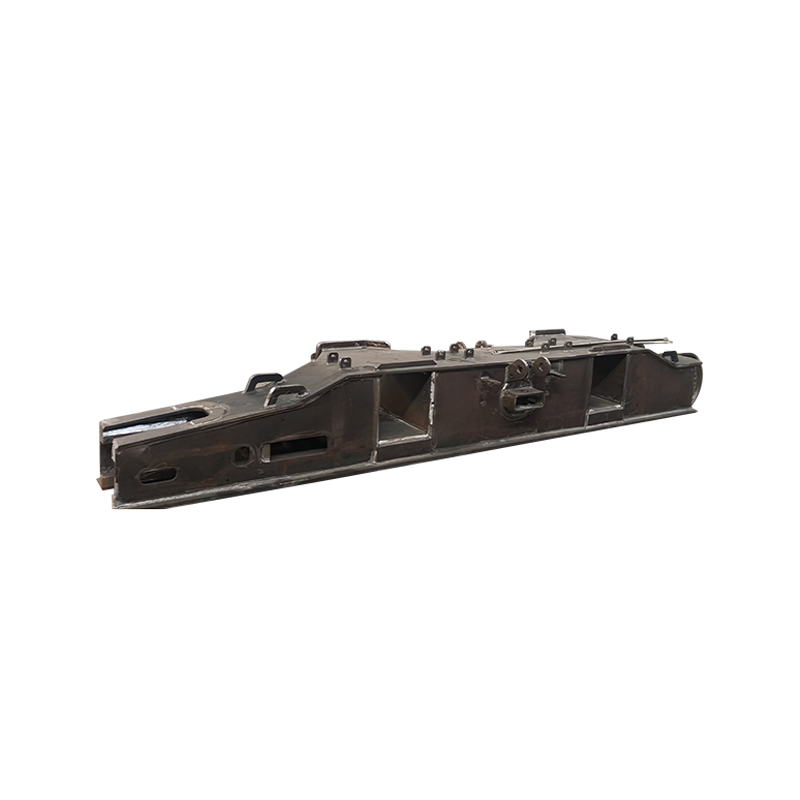
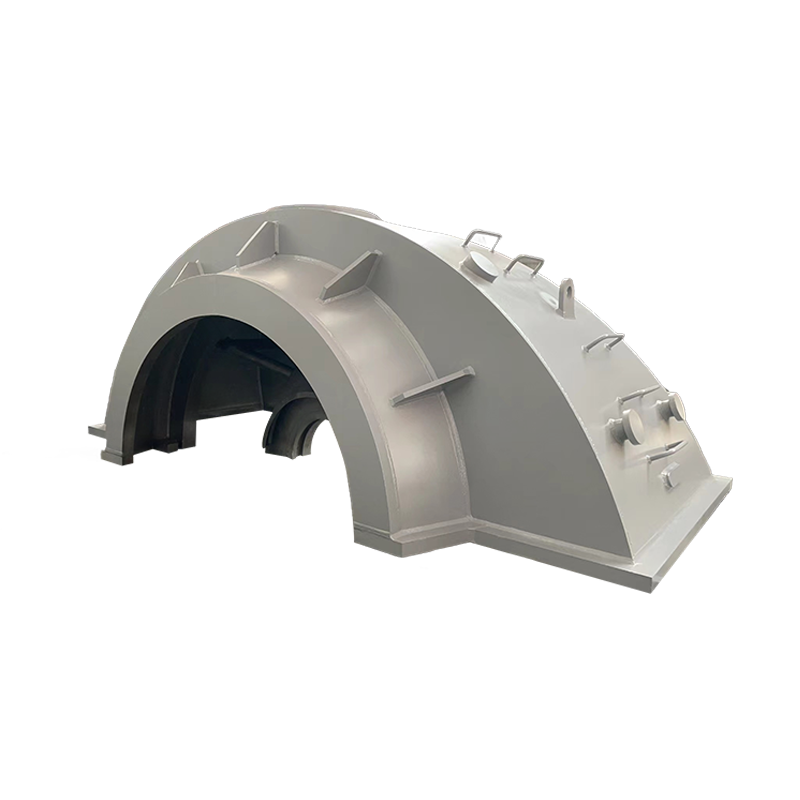
Steam turbines are critical components in power generation and industrial processes. The performance, efficiency, and reliability of a steam turbine depend on the precision and durability of its components. Among these, carbon steel structural parts of steam turbine diaphragm is particularly important. These components include the inner and outer rings and the stationary blades that guide steam through the turbine. Because they operate under high temperatures, high pressures, and intense mechanical stress, ensuring their quality during production is essential.
Quality control in the production of carbon steel turbine diaphragms involves a series of measures spanning material selection, manufacturing processes, dimensional accuracy, mechanical properties, and final inspection. The goal is to produce components that meet strict performance and safety requirements while minimizing the risk of failure during operation.
1. Material Selection and Verification
The first step in quality control is selecting the appropriate carbon steel for diaphragm components. The material must possess high strength, rigidity, and resistance to high temperatures and corrosion. Suppliers are carefully evaluated, and material certifications are verified to ensure compliance with industry standards. Chemical composition analysis is conducted to confirm that the steel meets the required specifications. This includes testing for carbon content, alloying elements, and impurities that could affect mechanical properties.
2. Incoming Material Inspection
Upon receipt of raw carbon steel, thorough inspections are conducted before the material enters production. Visual inspections check for surface defects such as cracks, inclusions, or corrosion. Non-destructive testing methods, such as ultrasonic testing or magnetic particle inspection, are used to detect internal flaws that could compromise the integrity of the diaphragm components. Only materials that pass these inspections proceed to the manufacturing stage.
3. Heat Treatment Control
Heat treatment is a crucial process in enhancing the mechanical properties of carbon steel diaphragms. Processes such as annealing, normalizing, quenching, and tempering are used to achieve the desired hardness, toughness, and dimensional stability. Quality control measures include precise control of furnace temperature, heating duration, and cooling rates. Thermocouples and temperature sensors are used to monitor the process, ensuring uniform heat treatment throughout the component. Post-treatment inspections verify that the desired mechanical properties have been achieved.
4. Machining Accuracy and Dimensional Inspection
Steam turbine diaphragms require highly precise dimensions to ensure proper fit and function. Machining processes, including turning, milling, and grinding, are closely monitored. CNC machines are commonly used to achieve tight tolerances and consistent results. Quality control measures include in-process dimensional inspections using coordinate measuring machines, micrometers, and calipers. These checks ensure that the inner and outer rings, as well as the stationary blades, meet design specifications. Any deviations are corrected immediately to prevent defects from propagating through the production process.
5. Blade Profile and Surface Quality Inspection
The stationary blades of a turbine diaphragm are critical for guiding steam flow efficiently. Blade profiles must conform exactly to design specifications to optimize energy conversion and minimize turbulence. Surface quality is also important to prevent erosion and reduce friction. Blade inspection involves high-precision measurement tools and optical scanning technologies to verify geometry and surface finish. Visual inspections identify surface imperfections, such as scratches or burrs, which could affect performance.
6. Welding and Assembly Control
In some diaphragm designs, welding is required to attach stationary blades to the inner and outer rings. Quality control in welding includes proper preparation of joint surfaces, selection of suitable welding materials, and precise control of welding parameters. Non-destructive testing, such as radiographic inspection or ultrasonic testing, is performed to detect internal defects, including porosity, cracks, or incomplete fusion. Assembly inspections ensure that blades are correctly aligned and securely fixed, maintaining the structural integrity of the diaphragm.
7. Non-Destructive Testing of Components
Beyond welding inspection, non-destructive testing is applied to the entire diaphragm to ensure reliability. Ultrasonic testing, radiography, magnetic particle inspection, and dye penetrant testing are commonly used. These methods detect internal flaws, surface cracks, and other imperfections that could compromise performance. Non-destructive testing is particularly important for parts that operate under high stress, as even minor defects can lead to catastrophic failure during turbine operation.

8. Mechanical Property Testing
Mechanical property testing is essential to confirm that carbon steel diaphragms can withstand operational stresses. Tests such as tensile testing, hardness testing, and impact testing are performed on sample materials and components. These tests evaluate strength, toughness, and ductility, ensuring that the diaphragms meet design requirements. Heat-treated components are re-tested to confirm that the treatment process has achieved the desired properties.
9. Corrosion Resistance Evaluation
Steam turbine diaphragms are exposed to high-temperature steam, which can accelerate corrosion. Quality control measures include corrosion resistance testing, often using salt spray tests or high-temperature corrosion simulations. Coating or surface treatments may be applied to improve corrosion resistance, and their effectiveness is verified through controlled testing. This step ensures that the diaphragms maintain structural integrity over long operational periods.
10. Dimensional and Functional Verification Before Delivery
Before shipment, each diaphragm undergoes final dimensional and functional inspections. Measurements are compared against design specifications, and components are checked for proper assembly, blade alignment, and overall structural integrity. Functional tests may include checking for clearances, movement of blades where applicable, and fit with interfacing turbine parts. Only components that meet all specifications are approved for delivery to the turbine manufacturer or power plant.
11. Documentation and Traceability
An essential aspect of quality control is maintaining comprehensive documentation. Each batch of carbon steel diaphragms is accompanied by records detailing material certifications, inspection results, heat treatment parameters, machining tolerances, non-destructive testing reports, and mechanical test data. Traceability ensures that any issues identified during turbine operation can be linked back to specific production processes, enabling corrective actions and continuous improvement.
12. Continuous Improvement and Process Audits
Quality control is not limited to individual inspections. Continuous improvement programs and process audits are implemented to monitor production consistency and identify opportunities for enhancement. Statistical process control methods analyze variations in production parameters, while internal audits verify compliance with quality standards. Feedback from turbine operators is also considered to refine production processes and ensure that diaphragms meet evolving performance requirements.
Conclusion
The production of carbon steel structural parts for steam turbine diaphragms demands rigorous quality control at every stage, from material selection to final inspection. Ensuring that these components possess the required mechanical properties, dimensional accuracy, corrosion resistance, and structural integrity is essential for the reliable and efficient operation of steam turbines. By implementing comprehensive quality control measures, manufacturers can reduce the risk of component failure, optimize turbine performance, and extend the service life of these critical parts.
Through careful monitoring of materials, precision machining, heat treatment, non-destructive testing, and final verification, carbon steel diaphragms are produced to meet the exacting standards required by modern steam turbines. Quality control is not merely a procedural formality; it is a critical process that ensures safety, reliability, and operational efficiency in one of the most demanding engineering environments.