 +86-573-86868360
 Inquiry
 English
 Español
 عربى
عربى

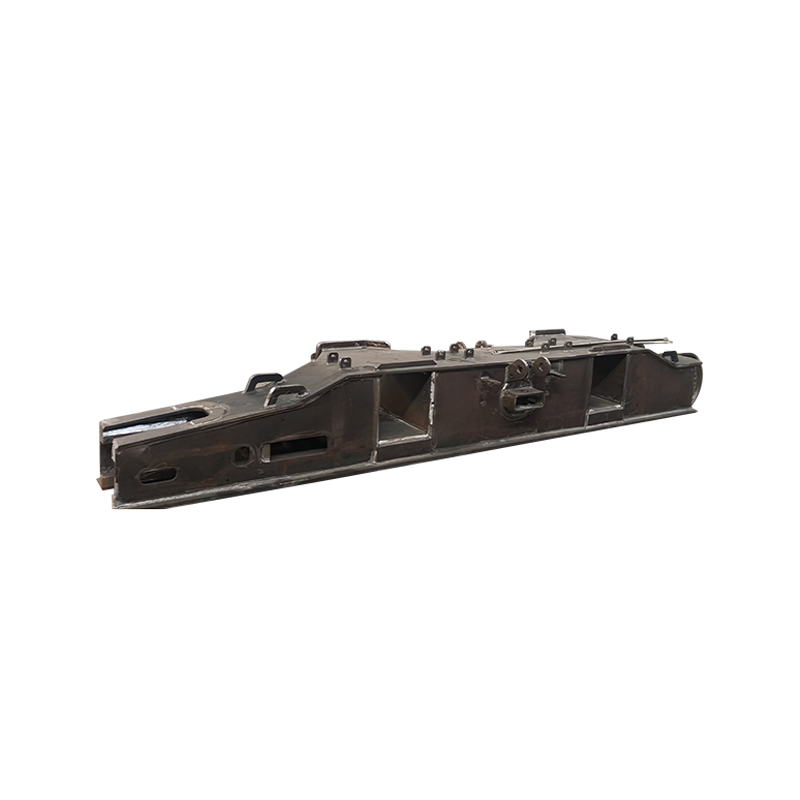
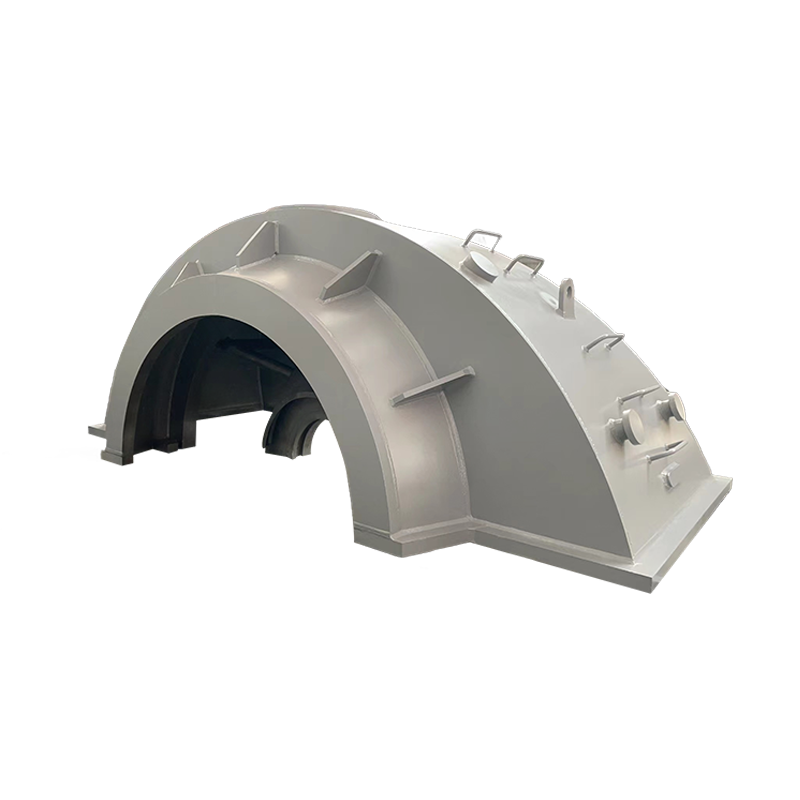
Carbon steel conveying pipeline structural components are used to support and reinforce pipeline systems designed for the transfer of fluids or bulk materials. These components play a structural role in ensuring the alignment, load distribution, and mechanical stability of conveying pipelines during operation.
1. Material Features
Made from carbon steel, these components are valued for their strength and structural reliability. The material’s performance under compressive and tensile stress makes it a suitable choice for conveying systems that operate in stable or moderately dynamic environments.
2. Functional Roles
These structural components are typically integrated into pipeline supports, brackets, frames, and anchor points. Their primary function is to maintain the physical positioning of pipelines, absorb external forces, and reduce the risk of misalignment or deformation over time.
3. Engineering Compatibility
Carbon steel structural elements can be processed using standard fabrication techniques such as cutting, welding, and surface coating. This allows for consistent integration with various pipeline designs in industrial conveying applications.