 +86-573-86868360
 Inquiry
 English
 Español
 عربى
عربى

1. Basic Description
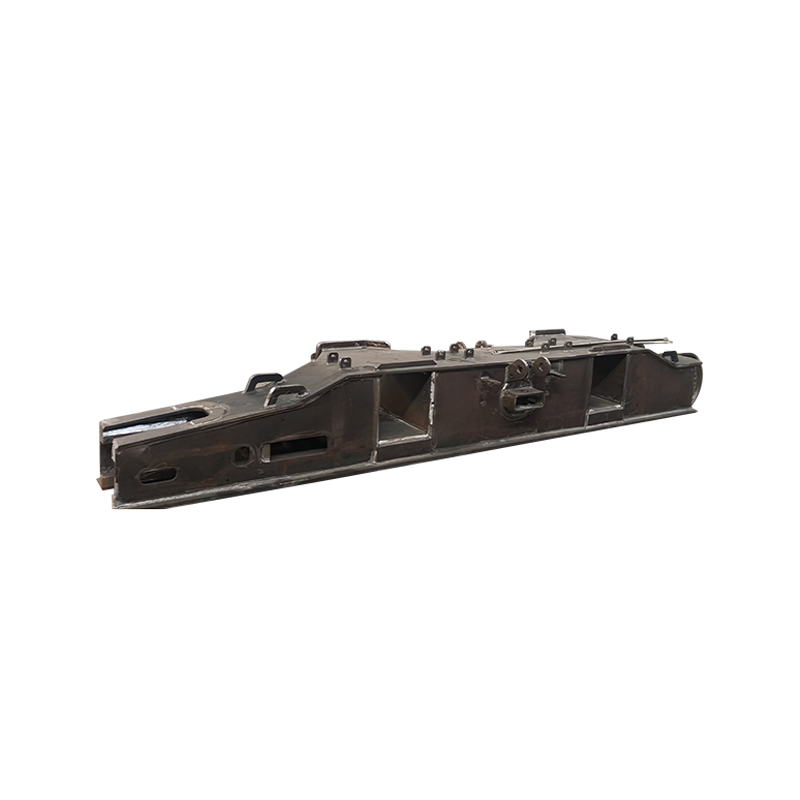
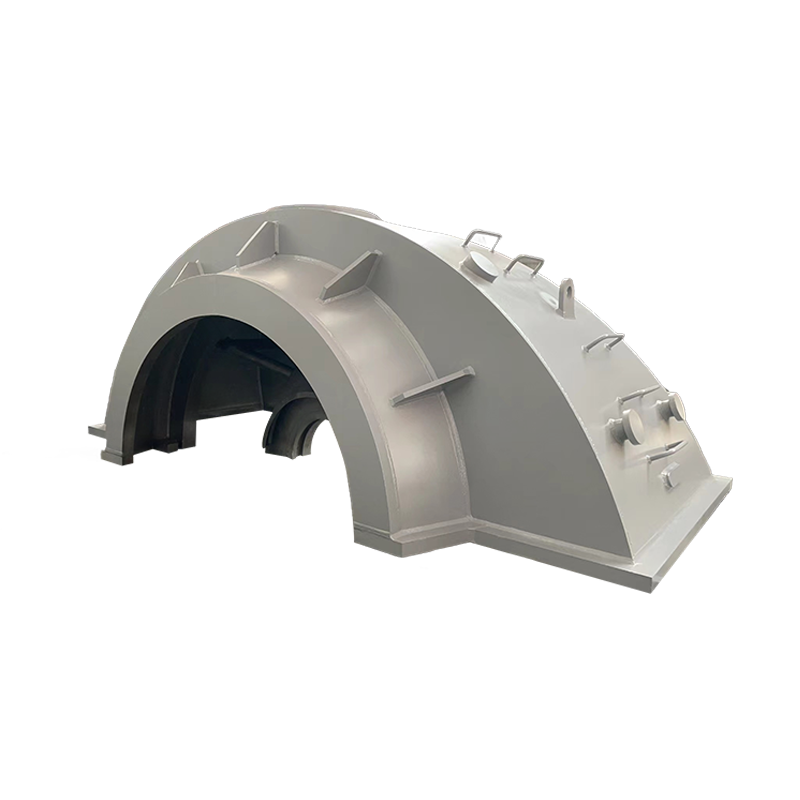
Carbon steel petroleum pipeline structural components are essential in the construction and maintenance of oil and gas transportation systems. These components are commonly used in above-ground and underground pipeline infrastructure to provide reliable structural support and ensure system integrity under various operational conditions.
2. Material Characteristics
Manufactured from carbon steel, these structural components offer balanced mechanical strength and durability. The material’s resistance to internal pressure and external mechanical stress makes it suitable for long-distance petroleum pipeline networks, especially where consistent performance is required over extended service periods.
3. Application Scope
These components are typically applied in support structures, pipe racks, anchor frames, and connection modules within petroleum transportation systems. Their role is to maintain pipeline alignment, absorb loads, and contribute to the overall stability of the installation, particularly in areas exposed to vibration, thermal expansion, or environmental stress.
4. Industrial Compatibility
Carbon steel structural components are compatible with standard welding, bolting, and surface treatment processes used in petroleum pipeline engineering. This compatibility supports seamless integration into new installations and retrofit projects, aligning with industry practices and safety codes.