 +86-573-86868360
 Inquiry
 English
 Español
 عربى
عربى

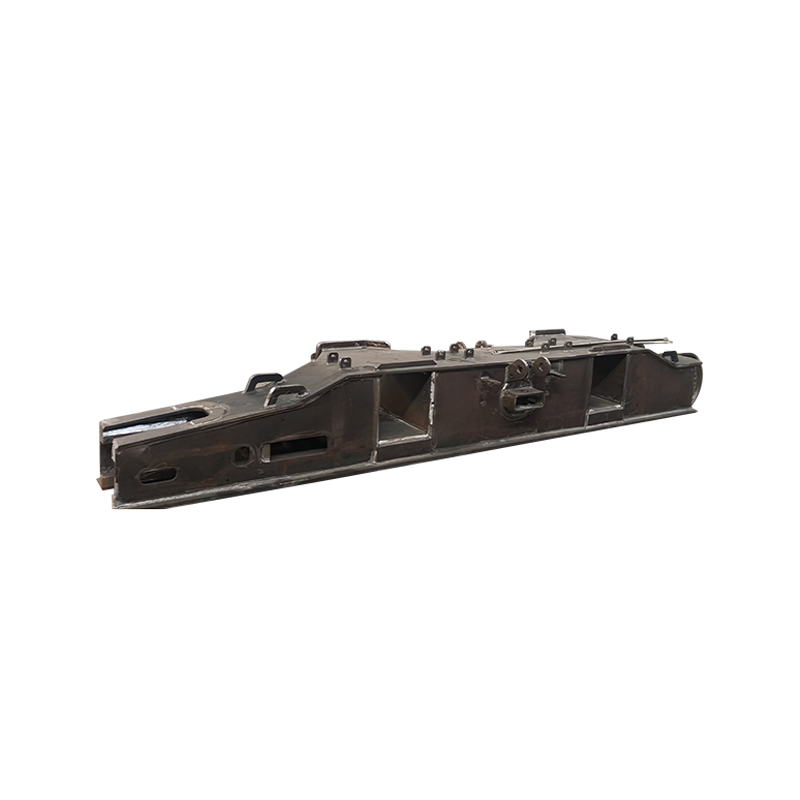
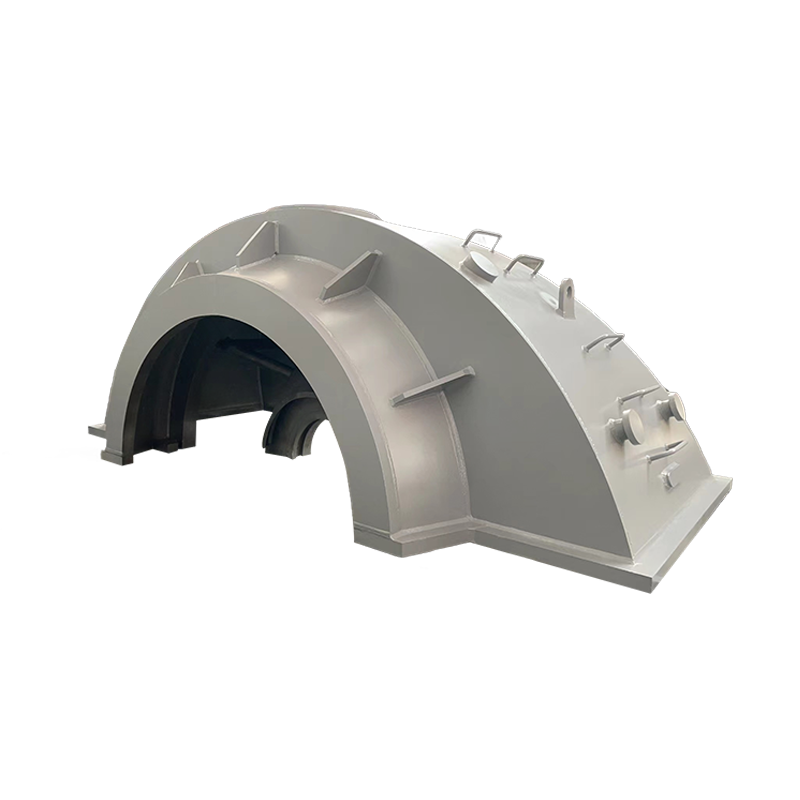
Material & Core Function: These components are fabricated from carbon steel grades, often modified with alloying elements like chromium or molybdenum, specifically selected for enhanced resistance to abrasive and erosive wear. They form essential structural elements within the kiln tail section, providing support, alignment, housing, and load-bearing functions for critical equipment like feed chutes, ducting, gas handling systems, and material transport mechanisms.
Critical Performance Requirement: Paramount to their function is the ability to withstand severe abrasion from highly abrasive raw meal, clinker dust, and particulate matter constantly present in the kiln tail gas stream. Resistance to material degradation under these conditions is vital for maintaining structural integrity, dimensional stability, and preventing premature failure or unscheduled downtime in this high-wear zone.
Addressing Operational Challenges: Cement kiln tail environments present extreme conditions, including intense thermal cycling, exposure to highly abrasive particulate matter, potential chemical exposure (alkaline conditions), and mechanical impact. These fabricated carbon steel components are engineered to endure this combination of thermal stress, abrasion, and chemical factors, thereby contributing significantly to subsystem reliability in a notoriously harsh industrial setting.
Integration and Benefit: Integrated into structures supporting fans, dampers, preheater towers, material feed points, and exhaust gas ducts, these wear-resistant components are vital for sustained kiln operation. Their enhanced durability directly reduces maintenance frequency related to wear, minimizes production interruptions, and supports the demanding operational continuity required in cement manufacturing.
Value Proposition: Utilizing wear-resistant fabricated carbon steel offers a robust solution, providing superior resistance to surface degradation compared to standard structural steels under the aggressive conditions of a kiln tail. This delivers the necessary combination of structural strength, fabrication adaptability (weldability, formability), and cost-effectiveness essential for large-scale cement plant infrastructure, ultimately contributing to lower operating costs through extended service life and reduced maintenance.