 +86-573-86868360
 Inquiry
 English
 Español
 عربى
عربى
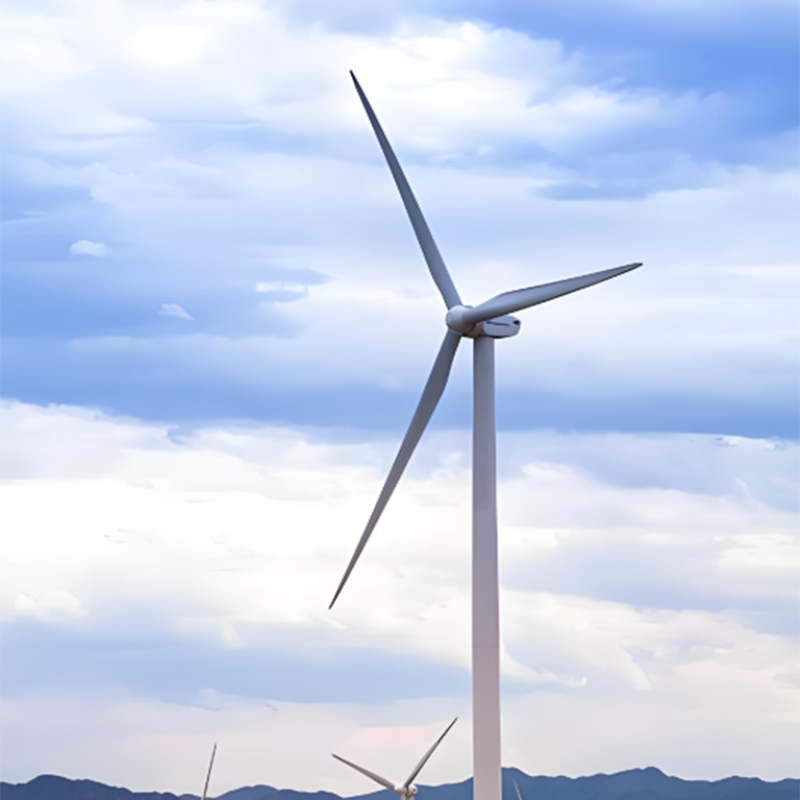
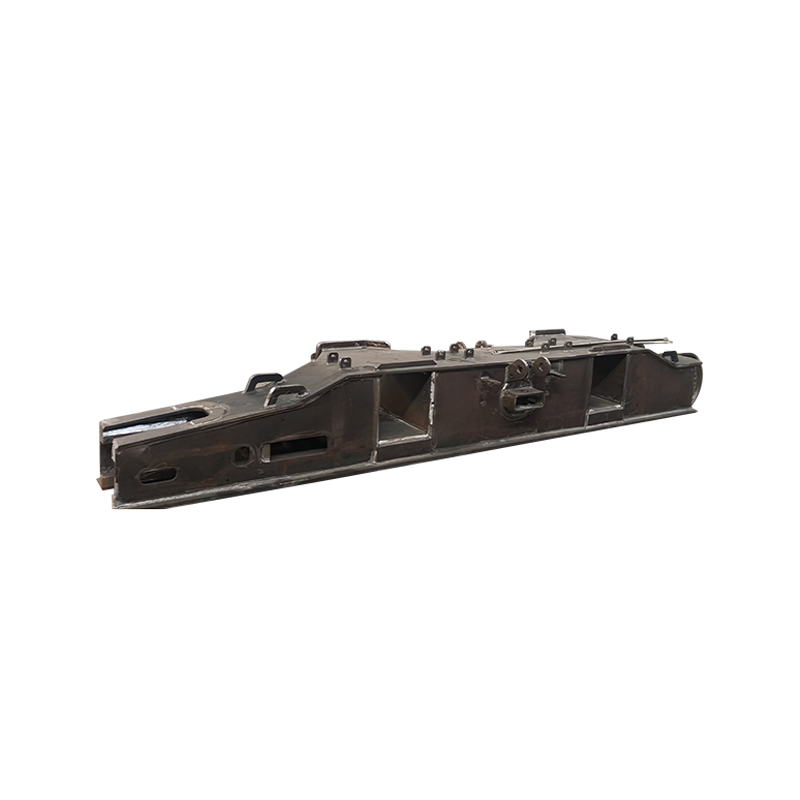
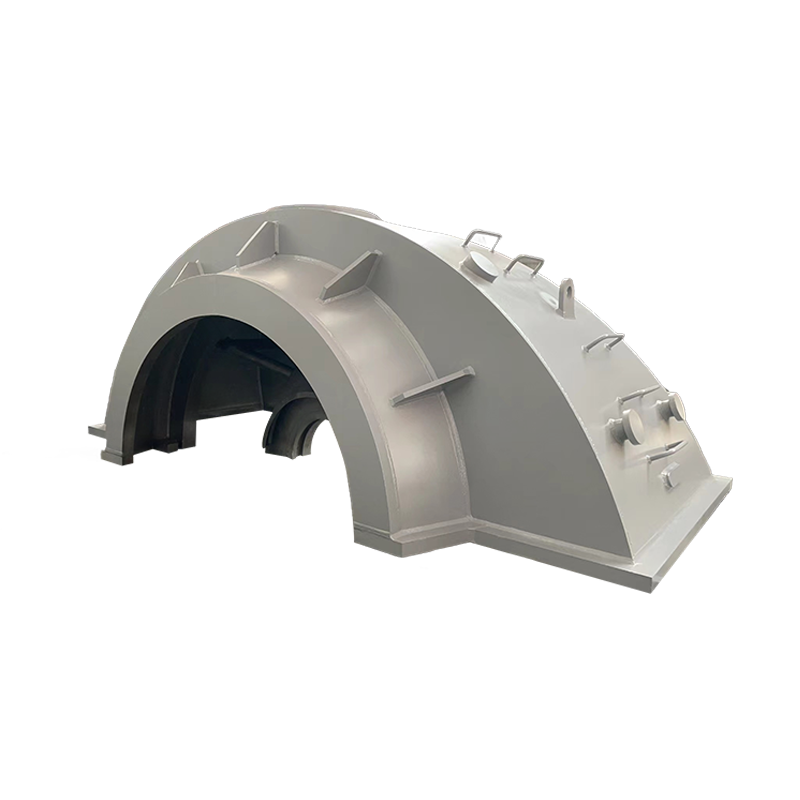
Material & Core Function: These components are fabricated from specially formulated carbon steel grades engineered for enhanced resistance to abrasive wear. They serve as critical structural elements within wind turbine assemblies, primarily functioning to transfer loads, guide movement, or provide robust mounting points in high-stress areas subject to friction and particulate impact.
Critical Performance Requirement: A primary design imperative for these parts is mitigating material loss caused by abrasive wear. This occurs through sustained contact with environmental contaminants (like airborne sand or dust) or interacting mechanical parts under significant pressure. The inherent wear resistance of the carbon steel alloy is crucial for maintaining dimensional integrity and structural soundness over extended operational periods.
Addressing Operational Challenges: Wind turbine structures operate under demanding conditions involving cyclic stresses, variable weather exposure (including moisture), and potential exposure to abrasive particles. Wear-resistant carbon steel components are selected specifically to withstand this combination of mechanical abrasion and environmental factors, thereby enhancing overall subsystem reliability and reducing susceptibility to premature degradation.
Integration and Benefit: Integrated into key areas such as yaw and pitch systems, bearing housings, or structural interfaces, these components contribute significantly to the turbine's operational longevity. Their enhanced durability minimizes maintenance interventions related to wear-related failures, supporting the turbine's requirement for sustained, reliable power generation in often harsh environments.
Value Proposition: The utilization of wear-resistant carbon steel offers a balanced solution, providing superior resistance to surface degradation compared to standard structural steels, while maintaining the necessary strength, weldability, and cost-effectiveness required for large-scale wind energy infrastructure. This focus on wear mitigation directly supports the critical need for reduced maintenance and extended service life in wind turbine applications.