 +86-573-86868360
 Inquiry
 English
 Español
 عربى
عربى

1. Material & Design Fundamentals
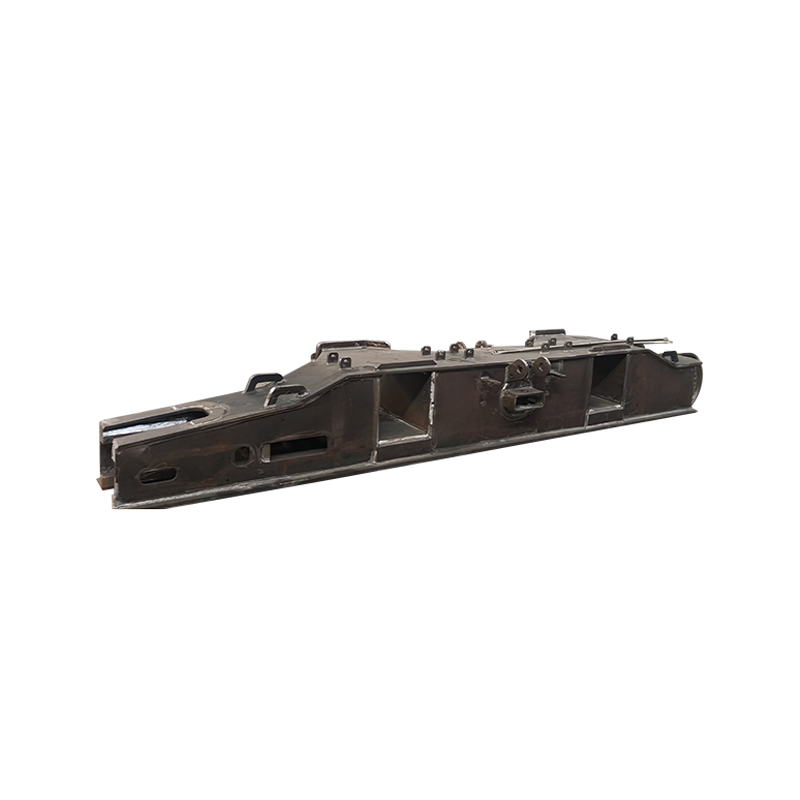
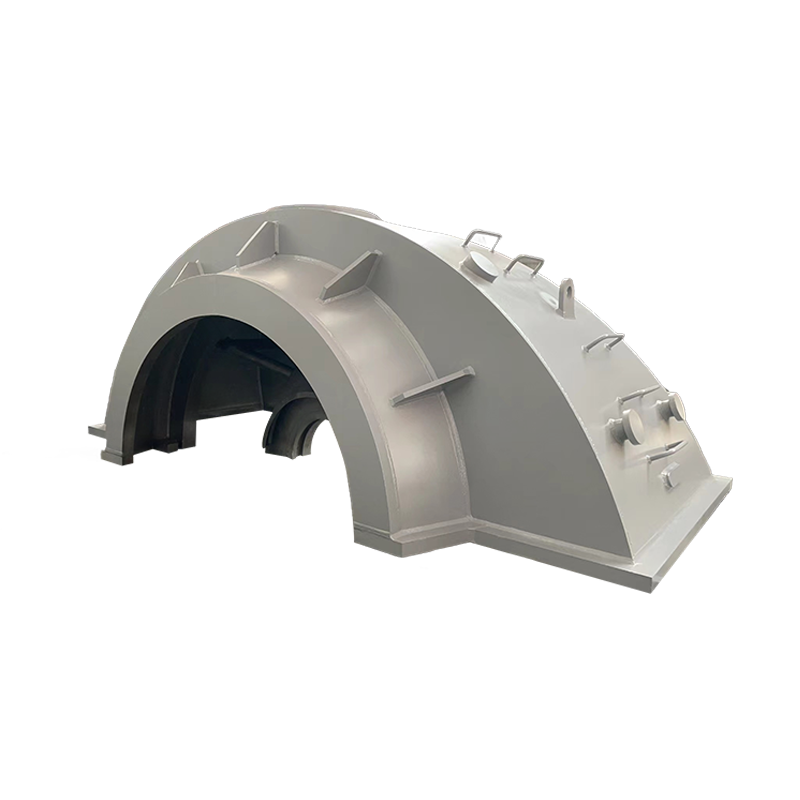
Welded carbon steel structural components utilize standardized steel formulations selected for balanced strength, weldability, and environmental resistance. Their design prioritizes optimized load transfer through engineered joint configurations and section profiles, ensuring structural coherence under complex wind-induced stresses (including cyclic bending, torsion, and compressive loading).
2. Fabrication & Quality Assurance
Components are fabricated via controlled welding processes (e.g., submerged arc or gas-shielded welding) with rigorous pre/post-weld heat treatments. Dimensional conformity is maintained through fixture-based assembly and post-weld machining. Mandatory non-destructive examination (magnetic particle, ultrasonic testing) validates weld integrity and material continuity per applicable industrial standards.
3. Performance Validation
Prototypes undergo full-scale fatigue testing simulating decades of operational loading spectra. Environmental exposure testing validates corrosion protection systems (coatings/cathodic protection), while finite element analysis confirms stress distribution and buckling resistance under extreme wind scenarios. Quality management aligns with international wind energy certification protocols.
4. Functional Application
These components serve as primary load-transfer elements in:
Tower sections: Distributing dynamic tower oscillations
Nacelle frames: Supporting drivetrain reaction forces
Foundation interfaces: Transmitting overturning moments
Their welded construction enables cost-efficient fabrication of large-scale geometries while maintaining structural stability across temperature gradients and high-cycle fatigue environments.